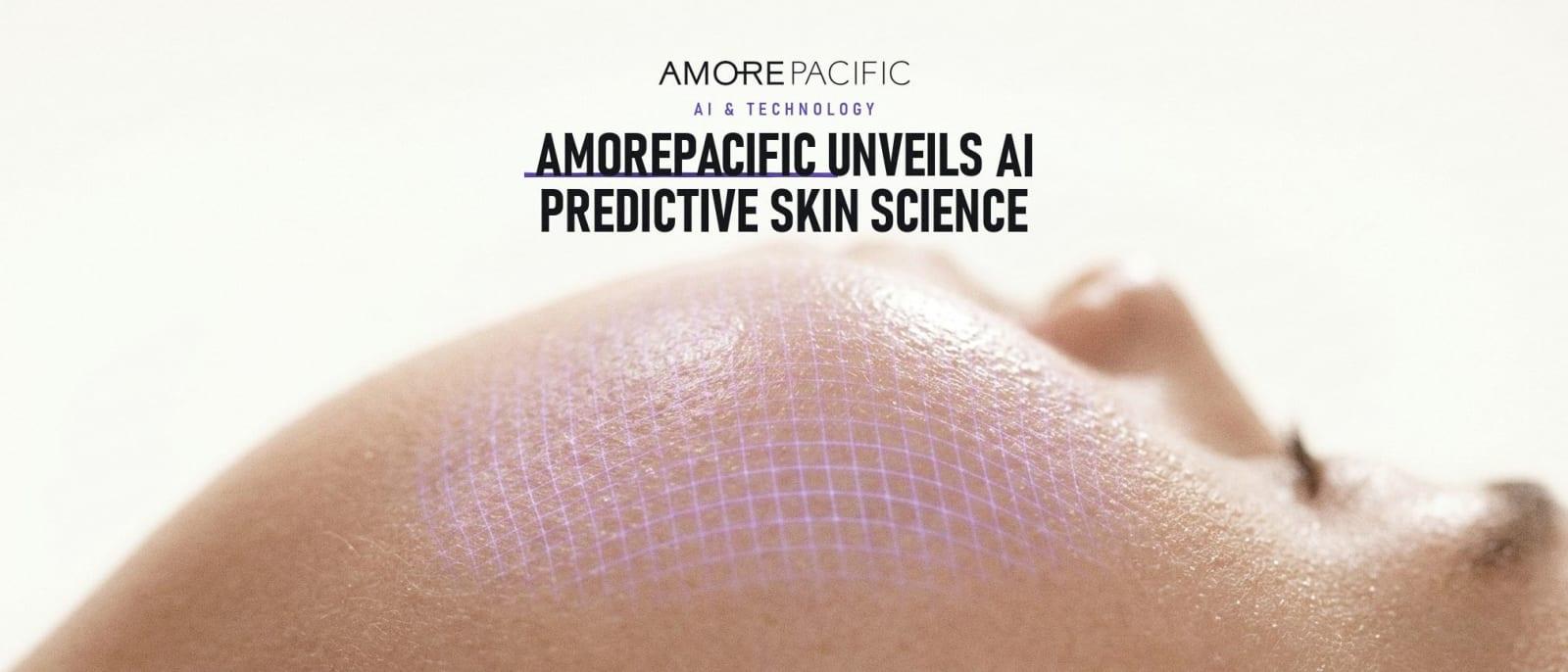
South Korean cosmetics conglomerate Amorepacific Corporation presented research on using predictive artificial intelligence models for precision skin bio-science at the International Federation of Societies of Cosmetic Chemists (IFSCC) Congress in October 2024. The platform applies machine learning algorithms to complex dermatological datasets, marking a deliberate move toward computational R&D to refine formulation accuracy and skin barrier diagnostics.
Decoding Barrier Mechanics Through Algorithms
The IFSCC Congress serves as the cosmetic industry's primary global stage for scientific and dermatological research. Amorepacific’s presentation highlighted how machine learning can bridge the gap between basic skin bio-science and commercial product development. The research presented at the congress centres on predictive AI models designed to decode skin barrier mechanics and complex dermatological markers. By modelling how the stratum corneum interacts with various active compounds, Amorepacific aims to optimise active ingredient delivery systems and improve the accuracy of standard efficacy testing.
Amorepacific stated that the predictive models enable a deeper decoding of barrier mechanics than traditional empirical testing allows. The company maintains that this data-driven approach redefines standard efficacy testing protocols, providing a computational framework to simulate cellular responses and optimise topical formulations before physical laboratory trials begin.
Amorepacific did not disclose specific active ingredients, datasets, or clinical metrics during the presentation.
The Global Push for Quantified Efficacy
Amorepacific’s presentation underscores a broader structural shift across the global beauty sector. As consumer scrutiny intensifies around active ingredients and clinical validation, major cosmetic conglomerates are moving beyond standard observational testing toward computational biology and predictive diagnostics.
The South Korean group’s computational focus places it alongside global peers such as L'Oréal S.A. and Shiseido Company, Limited, both of which are aggressively building proprietary skin-diagnostic platforms and bio-science datasets. Where prestige houses previously relied almost entirely on post-hoc clinical trials on human subjects to validate marketing claims, the industry’s top tier is moving toward predictive algorithms that simulate biological outcomes ahead of clinical phase testing.
Beyond shortening the R&D pipeline for novel active ingredients, computational models generate granular biological data that Amorepacific can use to substantiate premium pricing and functional skincare claims across competitive international retail channels.
Commercial Deployment and Claim Validation
The Seoul-headquartered conglomerate oversees a broad brand portfolio spanning luxury heritage skincare, such as Sulwhasoo, to prestige hydration brands including Laneige. Translating laboratory-level AI modelling into shelf-ready cosmetics requires converting algorithmic predictions into stable, scalable formulations.
Heritage and prestige lines with high price elasticity—most notably Sulwhasoo and Laneige—are the primary candidates to receive the first formulations developed under this computational framework, although Amorepacific has not formally committed to a brand-by-brand rollout schedule.
Beyond internal brand integration, the approach presents an unresolved challenge for global regulatory compliance. Health and consumer safety authorities in major cosmetics markets enforce strict guidelines regarding dermatological claim substantiation. Standard regulations require empirical human clinical trials or validated *in vitro* testing to support claims regarding barrier repair, penetration depth, and topical efficacy.
Whether global regulators will accept predictive AI modelling as valid supporting evidence for functional claims remains an open question. As Amorepacific moves from scientific presentation to commercial application, the industry will be watching how regulatory agencies assess algorithmic proof—and whether predictive skin science can successfully clear the bar set by traditional clinical trials.