General•4 min read

Discover anything
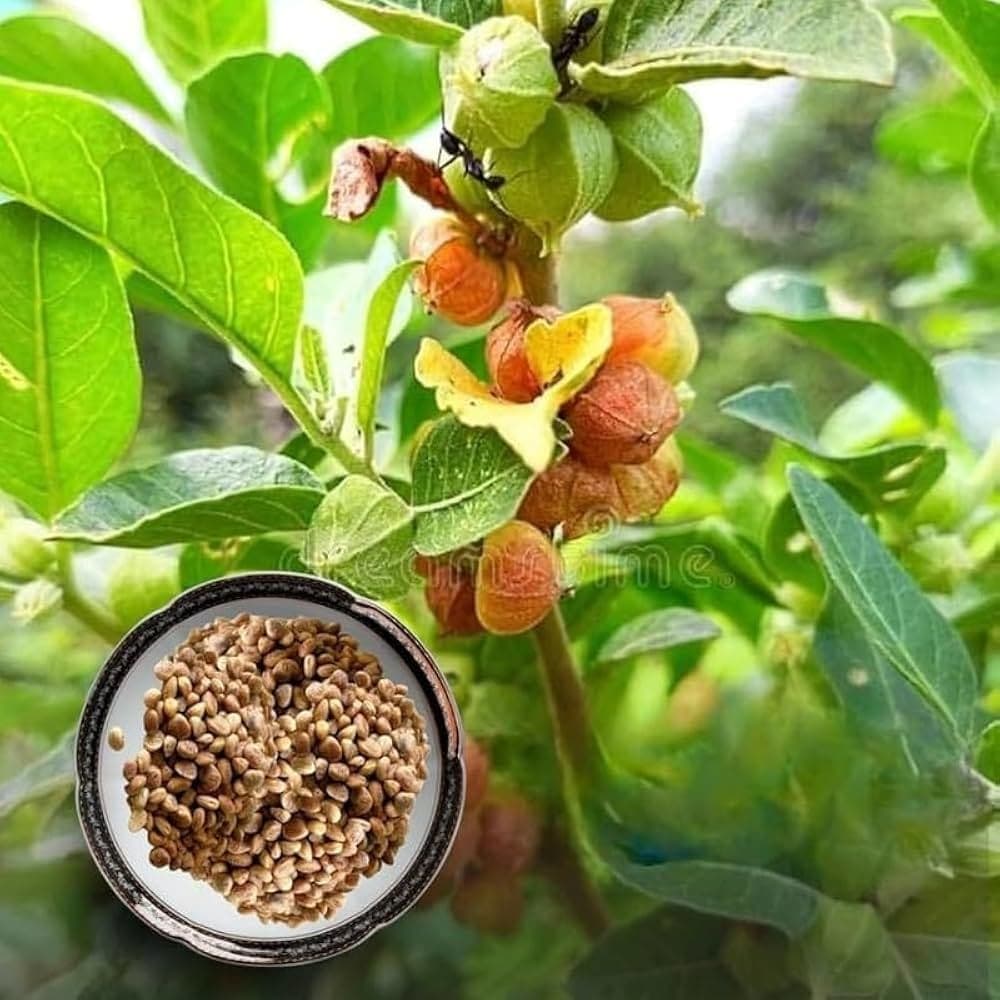
Ashwagandha (*Withania somnifera*), long revered in Ayurvedic medicine, is emerging as a potent bioactive in modern cosmeceuticals—offering both topical and ingestible benefits for skin and hair health.
Ashwagandha (*Withania somnifera*), long revered in Ayurvedic medicine, is emerging as a potent bioactive in modern cosmeceuticals—offering both topical and ingestible benefits for skin and hair health. As consumer interest in adaptogens, stress-responsive beauty, and holistic wellness grows, cosmetic chemists and formulators are turning to Ashwagandha for its multifunctional, clinically supported properties.
Botanical Profile
– Family: Solanaceae
– Bioactives: Withanolides, alkaloids, sitoindosides, flavonoids
– Extraction formats: Hydroalcoholic extracts, liposomal encapsulation, fermented derivatives, standardized powders
Mechanisms of Action
Ashwagandha’s adaptogenic properties help regulate cortisol levels, which are implicated in premature aging, inflammatory skin conditions, and telogen effluvium (stress-induced hair loss). Ingestible formats have shown:
– ↓ Cortisol by up to 30% in 60 days (KSM-66 studies)
– ↑ Sleep quality and ↓ systemic inflammation
Topical Ashwagandha exhibits strong ROS scavenging and COX-2 inhibition, making it ideal for:
– Sensitive skin formulations
– Post-procedure recovery serums
– Pollution-defense skincare
Withanolides stimulate type I collagen synthesis and inhibit MMP-1, contributing to:
– Improved skin elasticity
– Reduced wrinkle depth
– Enhanced dermal density
Ashwagandha enhances DHEA levels and improves microcirculation, supporting:
– Hair growth phase extension
– Follicular anchoring
– Reduced shedding in stress-prone individuals
Formulation Prospects
Format
Application
Considerations
Liposomal Ashwagandha
Anti-aging serums, eye creams
Enhanced penetration, reduced irritation
Fermented Ashwagandha
Barrier-repair creams, microbiome care
Boosted bioavailability, probiotic synergy
Ashwagandha oil infusion
Scalp treatments, hair masks
Carrier oils must match polarity and stability
Encapsulated powder
Nutricosmetics, gummies, sachets
Standardization critical for efficacy
Compatibility & Stability
– pH range: 5.0–6.5 optimal for topical use
– Synergistic pairings: Niacinamide, Centella Asiatica, peptides, ceramides
– Avoid: High ethanol concentrations, strong oxidizers, unbuffered acids
Regulatory & Claims Guidance
– EU & India: Approved for cosmetic use; ensure INCI listing as *Withania somnifera root extract*
– Claims: “Adaptogenic skincare,” “stress-responsive beauty,” “Ayurvedic anti-aging,” “scalp vitality booster”
– Clinical support: Leverage published studies on KSM-66 and Sensoril for ingestible claims
Future Directions
– Biotech fermentation to enhance withanolide yield
– Skin-gut axis research linking Ashwagandha to barrier resilience
– AI-driven personalization for stress-responsive regimens
Ashwagandha is no longer just a wellness buzzword—it’s a scientifically validated, formulation-flexible powerhouse. For cosmetic chemists and brand innovators, it offers a rare trifecta: efficacy, tradition, and consumer resonance.