A Single Leader for Five Fragrance Houses
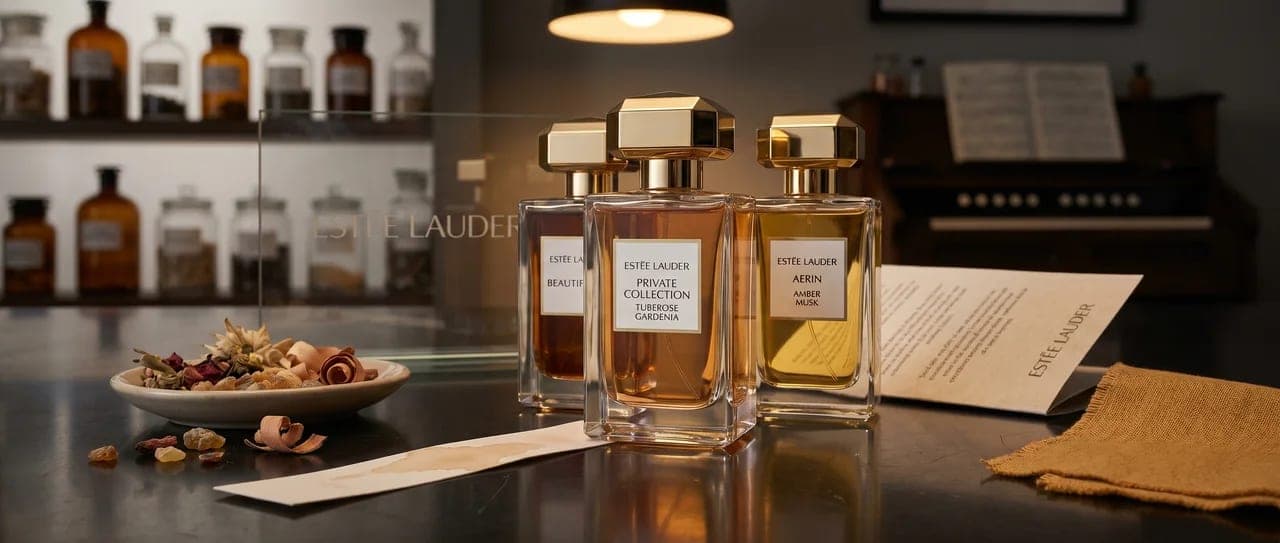
Estée Lauder Companies (ELC) is consolidating its US perfume brand portfolio by establishing a new North American Fragrance Cluster, designed to strengthen and streamline the beauty conglomerate's fragrance operations while capitalising on the segment's accelerating market momentum. The reorganisation will be headed by newly appointed SVP Vérane de Marffy, who will also serve as GM of Fragrances, North America, and is tasked with driving perfume growth for the company.
Marffy will directly manage the Kilian Paris and Editions de Parfums Frédéric Malle businesses in the region, with responsibility for driving top- and bottom-line growth, strengthening local relevance, and building long-term brand equity strategies. She will also oversee and coordinate the teams behind Jo Malone London, Tom Ford Beauty, and Balmain Beauty. Before joining ELC, Marffy spent more than 20 years at L'Oréal, where she served as deputy GM of Ralph Lauren Fragrances, GM of Lifestyle and Collection Fragrances, and senior VP of marketing, Lancôme.
For Indian fragrance B2B professionals — perfumers, procurement managers, and brand formulation teams — this consolidation is more than a corporate org-chart adjustment. It signals where ELC's fragrance investment and ingredient demand will concentrate over the next 12-24 months, with direct implications for sourcing strategy and access.
The Growth Numbers Behind the Reorganisation
Tara Simon, ELC President for the Americas, stated: "The fragrance fervor is directly lifting ELC brands, and as a company, we have invested to meet the demand in innovation, creative, and marketing, our retail presence, and also, talent." Fragrance's net sales increased 10%, the group's highest category. The surge was led by Le Labo, Kilian Paris, Balmain Beauty, and Tom Ford.
A 10% category growth rate, outpacing all other ELC categories, is the structural justification for dedicating a single, senior leader to fragrance specifically rather than managing it as a sub-function within broader brand portfolios. For Indian B2B fragrance suppliers, this growth signal confirms that ELC's fragrance houses are credible, expanding customers worth deepening relationships with — not a stagnant category receiving reduced investment.
The Portfolio Architecture: Niche, Heritage, and Designer Fragrance Under One Roof
The brands now coordinated under this single fragrance leadership represent distinct positioning tiers within luxury fragrance. Kilian Paris and Editions de Parfums Frédéric Malle occupy the niche and artistic perfumery space — small-batch, ingredient-forward, perfumer-attributed compositions targeting fragrance connoisseurs. Jo Malone London operates in accessible British luxury, built on cologne-intensity formats and signature scent layering. Tom Ford Beauty spans designer luxury fragrance with strong masculine and unisex positioning. Balmain Beauty represents a newer designer fragrance entrant building on fashion-house heritage.
This portfolio breadth, now under unified strategic direction, mirrors the broader industry pattern already visible in Puig's portfolio structure and L'Oréal Luxe's brand architecture — major beauty conglomerates organising fragrance not as a single undifferentiated category but as a coordinated set of distinct positioning tiers serving different consumer segments, while sharing strategic resources, market intelligence, and likely some degree of ingredient sourcing infrastructure.
The Concurrent Supply-Side Signal
The fragrance industry consolidation extends beyond brand-owner portfolios into the ingredient supply chain itself. Ingredient manufacturer Givaudan announced it will acquire a majority stake in Eurofragance to strengthen its fine fragrance position, aligning with Givaudan's 2030 strategy to expand presence across local and regional markets, while fragrance house Mane launched an experimental garden in Grasse, France, to cultivate perfume plants, test regenerative agriculture, develop new plant hybrids, and trial extraction methods, deepening its roots in regional agriculture.
For Indian fragrance B2B teams, this concurrent supply-side activity is the more strategically relevant signal. Major fragrance houses are simultaneously consolidating brand-owner relationships (ELC's cluster) and deepening ingredient-supply capability (Givaudan-Eurofragance, Mane's regenerative agriculture investment). This dual consolidation — at both the brand and the raw material level — suggests the fine fragrance category is entering a period of structural tightening where established, deep supplier relationships will matter increasingly more than transactional sourcing.
What This Means for Indian Fragrance B2B Professionals
ELC's niche and luxury fragrance brands represent meaningful captive-ingredient relationships. Brands like Kilian Paris and Frédéric Malle build their olfactive identity substantially on house-specific captive molecules sourced through major fragrance houses (Givaudan, DSM-Firmenich, IFF, Symrise, Mane). As ELC concentrates strategic attention and investment on this fragrance cluster, demand for these captive materials is likely to intensify, which has knock-on implications for material availability and lead times across the broader fragrance ingredient supply chain that Indian formulators and brand teams also draw on.
Indian natural ingredient suppliers should evaluate whether ELC's expanding fragrance brands present direct sourcing opportunities. Jasmine, rose absolute, vetiver, sandalwood, and oud — India's core fragrance natural strengths — are commonly used across niche and designer luxury fragrance compositions. As ELC's fragrance cluster scales output and innovation pace under unified leadership, Indian natural ingredient exporters with credible traceability and quality documentation have a window to establish or deepen supply relationships with ELC's fragrance house partners.
The consolidation signals where global fragrance innovation investment is concentrating — and Indian formulators building niche-adjacent domestic brands should track it closely. ELC's decision to unify a five-brand fragrance portfolio under one accountable leader reflects conviction that the niche-to-luxury fragrance segment specifically (rather than mass fragrance) is where category growth and innovation investment should concentrate. Indian niche and artisanal perfume houses — Naso Profumi, Bombay Perfumery, All Good Scents, Boond — are building in the same segment globally; understanding which ingredient and innovation directions ELC's cluster prioritises offers a useful leading indicator for where the broader niche fragrance category is heading.
IFRA and Compliance Considerations for the Niche-Luxury Segment
As niche and luxury fragrance brands scale under consolidated leadership and increased investment, IFRA compliance discipline becomes increasingly important at volume. Niche perfumery's traditional reliance on higher concentrations of natural materials — oud, rose absolute, oakmoss-adjacent accords — and complex, perfumer-attributed compositions creates more intensive allergen disclosure and usage-limit calculation requirements than mass-market fragrance typically demands.
For Indian suppliers seeking to engage with ELC's fragrance houses or comparable niche-luxury brand owners, GC-MS analysis, allergen disclosure documentation aligned with EU Cosmetic Regulation 1223/2009, and Geographical Indication certification for distinctive naturals (Kashmiri saffron, Kannauj rose, Assam oud) should be standard procurement-readiness documentation, not optional extras to be assembled only when a specific opportunity arises.
What Indian Fragrance B2B Teams Should Do Now
Audit captive ingredient access and lead times for materials relevant to niche-luxury fragrance composition. With major fragrance houses consolidating both brand-owner relationships and ingredient supply capability simultaneously, Indian formulators and brand teams relying on transactional access to specific captive molecules should plan for potentially tighter availability and longer lead times.
Build supplier readiness documentation now, ahead of specific opportunity conversations. GC-MS certificates, allergen disclosure documentation, and GI certification for distinctive Indian naturals should be assembled as standing procurement-readiness assets, positioning Indian suppliers to respond quickly when niche-luxury fragrance houses scale sourcing under unified strategic direction.
Monitor ELC's fragrance cluster output as a leading indicator for the broader niche-to-luxury category direction. As one of the most closely watched fragrance portfolios globally enters a period of unified strategic investment, its innovation and ingredient choices offer Indian niche fragrance brand builders a useful reference point for where the category is heading over the next 12-24 months.