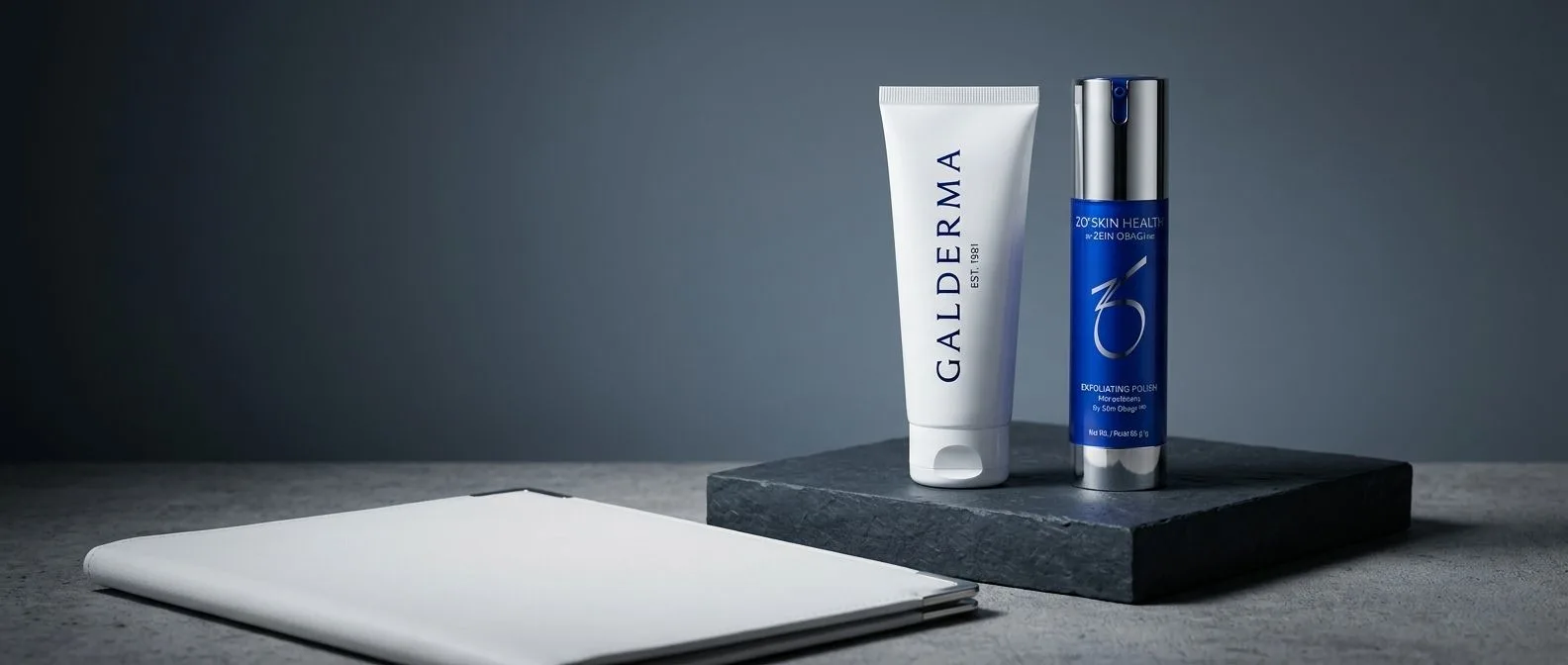
Galderma snapping up ZO Skin Health for $1.5 billion isn't just another mega-deal in global aesthetics. It marks a decisive shift in where the real enterprise value in beauty is migrating: physician-dispensed, protocol-driven skincare.
As aesthetic clinics expand across Indian metros and tier-2 cities like Pune, Jaipur, and Chandigarh, the lesson for domestic brand owners, R&D chemists, and contract manufacturers is clear. Basic surface-level moisturizers won't cut it anymore. Capturing high-margin growth requires bridging the gap between standard cosmetic chemistry and high-potency, bio-active formulations.
Formulation Strategy: Engineering Medical-Grade Actives
Medical-grade formulas deliver reliable clinical results because their delivery systems protect fragile actives and drive them into targeted skin layers. If domestic R&D teams want to compete with imported clinical lines, they need to master four core active mechanisms:
Microencapsulated Retinol: Raw retinol is notoriously difficult to formulate. It frequently triggers barrier breakdown, redness, and severe peeling. Using polymeric microencapsulation creates a sustained-release mechanism that slowly drops high-potency retinoids into the deeper epidermal layers, accelerating cell turnover without irritating the skin barrier.
Sustained Antioxidant Delivery: Shielding skin from daily oxidative stress demands continuous release. Encapsulating Vitamins A, C, and E—similar to proprietary technologies like ZOX12—delivers a steady 12-hour release of actives. This neutralizes free radicals while protecting tissue from both UV rays and high-energy visible (HEV) blue light.
Non-Hydroquinone Brighteners: Tightening safety regulations around hydroquinone mean formulators need non-cytotoxic alternatives. Blending actives like Diglucosyl Gallic Acid and Acetyl Glucosamine shuts down tyrosinase enzyme pathways and blocks melanosome transfer to keratinocytes without damaging surrounding cells.
Biomimetic Peptides: Synthetic growth factor analogues, including Myristoyl Pentapeptide-11, signal skin cells to produce fresh collagen and elastin. This reinforces structural proteins along the dermal-epidermal junction, visibly rebuilding tissue density.
Navigating CDSCO Regulatory Boundaries
Scaling high-potency cosmeceuticals in India demands navigating the *Cosmetics Rules, 2020* enforced by the Central Drugs Standard Control Organisation (CDSCO).
The Cosmetic-Drug Boundary: Products with pharmaceutical-level bio-activity risk crossing regulatory lines. Under Indian law, cosmetics are strictly defined as items meant to cleanse, beautify, or enhance appearance.
Licensing Directives: Importing finished international clinical lines requires an Import Registration Certificate via Form COS-2. Domestic CDMOs producing high-potency formulas must secure a dedicated manufacturing license through Form COS-8.
Claim Compliance: Product packaging and marketing copy must strictly avoid terms like "therapeutic," "disease-modifying," or "curative." Using pharmaceutical phrasing risks triggering drug-level compliance under Schedule M. Formulators must back up statements like "reduces hyperpigmentation" or "supports collagen synthesis" with ethically cleared clinical trial data.
Infrastructure Upgrades for Indian CDMOs
Demand for dermatologist-prescribed regimens across Indian clinic networks is spiking, but standard cosmetic mixing vessels cannot handle advanced chemistry. Contract manufacturers and raw material suppliers must upgrade operational capabilities across three core areas:
Precision Encapsulation Units: Plants need dedicated multi-layer polymeric encapsulation and liposomal processing gear to stabilize light- and oxygen-sensitive actives, especially high-dose retinoids.
Cold-Process Emulsification: High-heat mixing degrades bio-identical growth factors and delicate peptide chains. CDMOs must run low-temperature, high-shear emulsification systems to preserve biological activity during scale-up.
Airless Barrier Packaging: High-potency antioxidant and retinoid formulas spoil rapidly in standard bottles. Facilities must integrate airless pump packaging designed with low moisture-vapor transmission rates (MVTR) to protect active potency across a 24-month shelf life.
Galderma’s buyout confirms that physician-dispensed skincare has moved from a niche market to a primary growth driver. For Indian players, winning market share relies on combining validated active delivery, disciplined CDSCO claim strategies, and modern processing infrastructure.