A New Snapshot Of India's D2C Economy
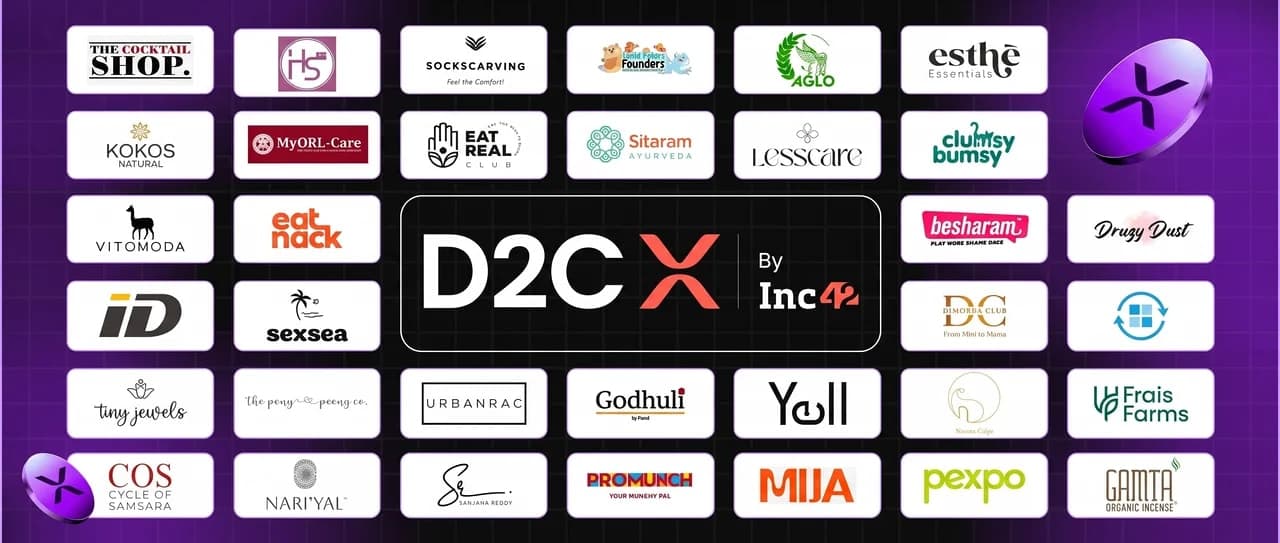
The announcement of the 58 brands selected for the seventh cohort of Inc42's D2CX programme provides more than a startup showcase. It offers a real-time view into where India's consumer economy is heading.
Over the last decade, direct-to-consumer brands have transformed how products are launched, marketed and distributed. What began as a niche ecommerce movement has evolved into a significant force across beauty, wellness, fashion, food and lifestyle categories.
For the beauty and personal care sector, the latest D2CX cohort highlights an increasingly competitive market where digital agility, community building and omnichannel execution are becoming essential growth drivers.
As investors become more selective and customer acquisition costs remain elevated, the brands gaining attention today reflect a changing playbook for success.
Beyond Ecommerce: The Evolution Of Modern D2C
India's first wave of D2C brands focused primarily on bypassing traditional retail.
Today, the model has evolved considerably.
Many high-growth brands now operate through a combination of:
* Brand-owned websites
* Marketplaces
* Quick-commerce platforms
* Modern trade
* Exclusive retail stores
* Social commerce channels
This shift reflects a broader understanding that consumers rarely shop through a single channel.
For beauty brands, discovery may happen on Instagram, validation through influencer content, purchase via quick commerce and repeat buying through a brand website.
The businesses recognised in programmes such as D2CX increasingly understand how to manage this complex customer journey.
Why Beauty And Personal Care Remain Investor Favourites
Beauty continues to attract significant investor interest within India's startup ecosystem.
Several factors support this trend:
High Purchase Frequency
Unlike many consumer categories, beauty products encourage recurring purchases.
Strong Gross Margins
Premium skincare, cosmetics and specialised haircare products often provide healthier margins than many FMCG categories.
Community-Led Growth
Beauty brands can build highly engaged consumer communities around specific concerns and lifestyles.
Innovation Potential
New formulations, ingredients and personalisation strategies create opportunities for differentiation.
These characteristics make beauty a natural fit for venture-backed growth models.
Consumer Behaviour Is Creating New Opportunities
A key insight from India's emerging D2C landscape is the increasing sophistication of consumer decision-making.
Today's beauty consumers are researching products extensively before purchase.
Ingredient awareness, efficacy claims, sustainability credentials and dermatologist endorsements increasingly influence buying decisions.
Consumers are also demonstrating greater willingness to experiment with specialised products.
This creates opportunities for niche brands addressing specific needs such as:
* Barrier repair skincare
* Functional haircare
* Scalp health
* Microbiome-focused products
* Sensitive skin solutions
* Men's grooming
The success of many emerging D2C businesses reflects this shift toward category specialisation.
Quick Commerce Is Becoming A Strategic Channel
One of the most important developments for beauty brands is the rise of quick commerce.
Platforms promising deliveries within minutes are changing purchase behaviour.
Beauty products that were previously planned purchases are increasingly becoming convenience purchases.
For brands, this shift requires:
* Strong inventory management
* Local fulfilment capabilities
* Competitive visibility on platforms
* Packaging suitable for rapid delivery
Many emerging D2C brands are designing growth strategies with quick commerce integrated from the beginning rather than treating it as an optional channel.
What Manufacturers Should Be Watching
The growth of D2C brands has important implications for manufacturers and contract manufacturing partners.
Unlike traditional FMCG companies, startup brands often require:
Faster Development Cycles
Speed-to-market has become a competitive advantage.
Smaller Production Runs
New brands frequently test products before scaling.
Flexible Manufacturing
Product iterations occur more frequently than in traditional retail models.
Innovation Support
Founders increasingly expect formulation and packaging expertise from manufacturing partners.
Contract manufacturers that can support rapid innovation may find growing opportunities as more D2C brands enter the market.
The Funding Environment Is Becoming More Disciplined
While investor interest remains strong, capital allocation has become more selective.
Growth alone is no longer sufficient.
Investors increasingly evaluate:
* Profitability pathways
* Customer retention
* Brand loyalty
* Supply chain resilience
* Operational efficiency
This shift is encouraging healthier business models across the D2C ecosystem.
For beauty founders, sustainable growth is becoming more important than rapid but expensive customer acquisition.
Challenges Facing Emerging Beauty Brands
Despite the opportunities, competition continues to intensify.
Several challenges remain significant:
Rising Marketing Costs
Performance marketing efficiency has declined across many digital channels.
Marketplace Competition
Consumers can compare multiple brands instantly.
Product Differentiation
New launches must offer meaningful value rather than incremental improvements.
Regulatory Expectations
Product claims and compliance requirements continue to attract greater scrutiny.
Brands that successfully navigate these challenges are likely to emerge as category leaders.
Lessons For Beauty Businesses
The latest D2CX cohort highlights several lessons relevant to established and emerging beauty companies alike.
First, distribution diversity is becoming increasingly important. Successful brands rarely rely on a single sales channel.
Second, specialised positioning often outperforms broad market targeting.
Third, operational excellence is becoming a competitive advantage.
Finally, customer trust remains one of the most valuable assets in a crowded market.
As beauty consumers become more informed, brands that combine strong products with transparent communication are likely to achieve more sustainable growth.
What The D2CX Cohort Signals For The Industry
The 58 brands selected for Inc42's seventh D2CX cohort represent more than entrepreneurial ambition.
They reflect broader shifts occurring across India's consumer economy.
Digital commerce, quick commerce, community-driven marketing and specialised product development are reshaping how brands are built and scaled.
For the beauty and personal care sector, these trends present both opportunities and challenges.
The companies that succeed in the coming years will be those that balance innovation with operational discipline, while maintaining a deep understanding of changing consumer expectations.
The next generation of beauty leaders may already be emerging from cohorts like D2CX.