India’s personal care market is moving fast toward clinical skin barrier repair. Yet formulators and Contract Development and Manufacturing Organisations (CDMOs) across the subcontinent face a persistent headache: traditional botanical oils. Heavy reliance on palm, coconut, and imported plant lipids leaves brands exposed to monsoonal crop failures, extreme price volatility, and shipping delays. Batch-to-batch inconsistency in unrefined oils only compounds the problem.
Precision fermentation changes the equation. By culturing oleaginous yeast strains on upcycled agricultural side-streams—such as sugarcane bagasse and molasses hydrol-derivatives—biotech platforms now produce high-purity, bio-identical lipids. Two standout ingredients leading this transition are Fermira RedOil and ZymaLipid Complex.
Biochemical Mechanism and Formulating Specs
We derive these microbial lipids by fermenting specialized *Rhodotorula* yeast strains. Instead of relying on uncertain agricultural harvests, controlled bioreactors yield precise, highly reproducible fatty acid profiles:
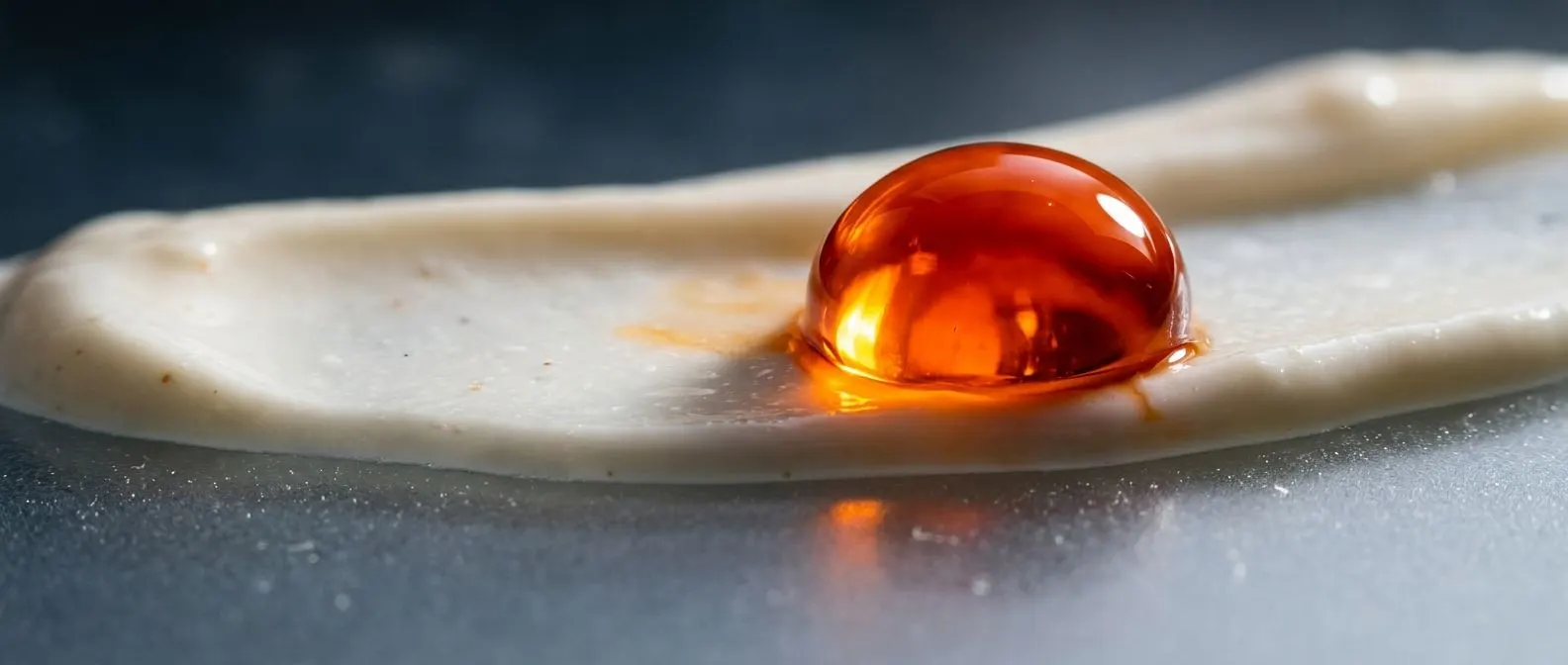
Fermira RedOil: A carotenoid-rich yeast lipid containing active levels of torulene and beta-carotene. Recommended at inclusion rates of 0.5% to 1.5%, it scavenges free radicals to prevent lipid peroxidation while imparting a natural, warm amber hue to the oil phase—eliminating the need for synthetic colorants.
ZymaLipid Complex: A bio-identical triglyceride matrix engineered with balanced ratios of oleic, linoleic, and palmitic acids. Typically formulated at 1.0% to 3.0%, it boasts a controlled iodine value that guarantees oxidation stability over standard vegetable oils.
In the skin, these lipids integrate directly into the stratum corneum’s intercellular lamellar lipid bilayer. By reinforcing corneocyte cohesion, the complex actively suppresses Transepidermal Water Loss (TEWL) and restores dermal elasticity. Unlike unrefined plant oils that leave a heavy, occlusive residue, precision-fermented lipids deliver a light, non-comedogenic feel that modern consumers demand.
CDSCO Regulatory Alignment
Commercialising fermented ingredients in India requires navigating the Central Drugs Standard Control Organisation (CDSCO) framework under the Cosmetics Rules, 2020. Key compliance milestones include:
INCI & Strain Validation: Formulators must secure clear INCI nomenclature alongside non-GMO certifications and complete microbial strain safety dossiers.
Bureau of Indian Standards (IS 14649): Batches must strictly satisfy IS 14649 specifications for physical, chemical, and microbiological parameters. Residual solvents must remain well below safety thresholds, with heavy metal limits capped tightly (Lead ≤ 20 ppm, Arsenic ≤ 2 ppm).
Registration Dossiers: Importers and local manufacturers must register ingredients via Form COS-1 or Form COS-8, backed by human repeat insult patch testing (HRIPT) that proves non-sensitising performance.
Supply Chain Advantage and Market Positioning
For R&D teams and procurement heads, switching to yeast-derived lipids resolves chronic supply chain vulnerabilities. Operating inside closed-loop fermenters means production runs independent of weather patterns or international trade disruptions. Batch-to-batch fatty acid ratios remain rock solid.
From a marketing perspective, integrating Fermira RedOil and ZymaLipid Complex lets Indian D2C and prestige beauty brands stake out distinct claims:
Upcycled Biotech: Turning regional agricultural waste into ultra-pure cosmetic actives.
100% Palm-Free: Mitigating zero-deforestation compliance risks while dodging palm oil price surges.
Targeted Barrier Repair: Offering verified TEWL reduction driven by bio-identical lipid architecture.
Precision-fermented microbial lipids offer Indian cosmetic formulators a clear path forward. By matching rigorous CDSCO compliance with reproducible biological efficacy, Fermira RedOil and ZymaLipid Complex allow brands and CDMOs to build resilient, next-generation skin barrier products.