

Nigeria Extends Raw Shea Nut Export Ban to Support Local Industry
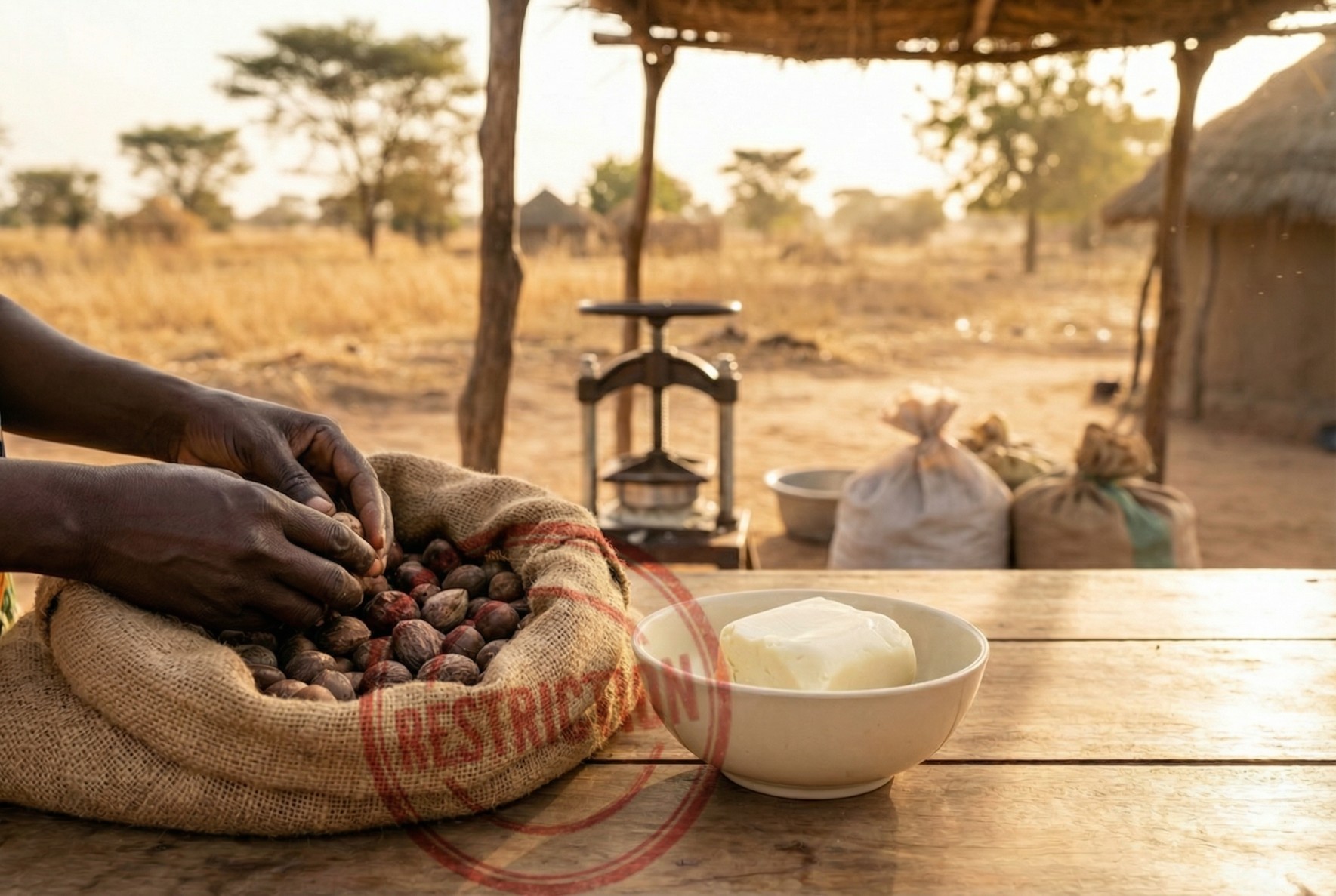
Nigeria has extended its ban on the export of raw shea nuts. The decision aims to boost local processing and increase value addition within the country.
Shea nuts are a key raw material for shea butter, widely used in skincare, haircare, and personal care products. Therefore, the policy has direct implications for global beauty supply chains.
Strengthening Local Value Chains
The Nigerian government wants to encourage domestic refining and manufacturing. By restricting raw exports, it aims to ensure that more processing happens within the country.
As a result, local producers may benefit from higher demand and improved margins. In addition, the policy could create jobs and support rural economies, where shea harvesting is a major source of income.
Impact on Global Beauty Industry
Nigeria is one of the largest producers of shea nuts globally. Consequently, any policy change in the country can affect international supply.
Beauty and personal care companies rely heavily on shea butter for moisturization and conditioning properties. If raw supply tightens, manufacturers may face higher input costs or sourcing challenges.
Moreover, companies may need to shift toward sourcing processed shea butter directly from local producers rather than exporting raw materials.
Push Toward Sustainable Sourcing
The export ban also aligns with broader trends in sustainability and traceability. Brands increasingly seek ethically sourced and locally processed ingredients.
Therefore, the policy may encourage stronger partnerships between global companies and Nigerian processors. It could also improve transparency across the shea supply chain.
Strategic Outlook
In the short term, the ban may create supply disruptions and price fluctuations. However, in the long term, it could strengthen Nigeria’s position in the global shea value chain.
For the beauty industry, the move highlights a critical shift. Ingredient-producing countries are seeking greater control over value creation.
Ultimately, companies that adapt their sourcing strategies and invest in local partnerships will be better positioned to navigate this transition.
Subscribe to our free newsletter to read the latest news and articles before they are published.














Subscribe To Our Newsletter
Join our mailing list to receive the latest news and updates from The Cosmetics industry
You have Successfully Subscribed!