

Fragrance and Its Digital Conversation in India
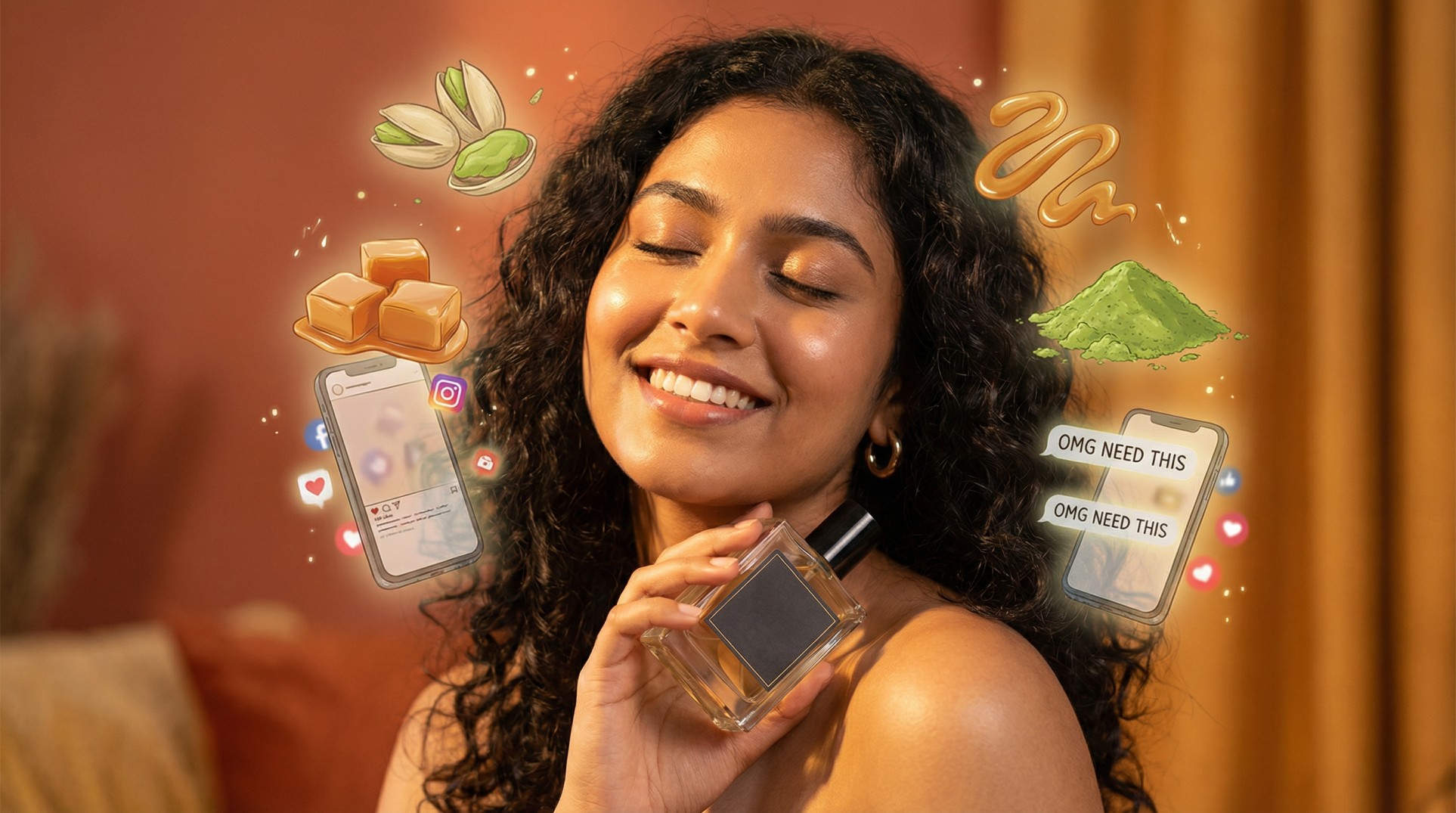
I still remember the first-time fragrance truly entered my digital world from the real world. It wasn’t through a glossy magazine ad, a hoarding, a friend’s dressing table or a department store counter—it was on Instagram, where a creator layered a pistachio body mist with a caramel perfume, calling it her “signature mood.” That post had thousands of likes, and I realized: fragrance in India was no longer just about smelling good. It had become a language of identity, spoken fluently across digital platforms.
Scrolling through Instagram stories, I began to notice how Gen Z and millennials were redefining fragrance. Perfume was no longer a luxury reserved for special occasions; it was a daily ritual, a way to curate moods and digital personas. Pocket perfumes slipped into college bags, deodorants became markers of style, and body mists were layered like accessories.
What struck me most was the note-driven discovery. Suddenly, conversations weren’t about “floral” or “woody” in the traditional sense—they were about pistachio (+852%), caramel (+765%), and matcha (+174%). These gourmand notes weren’t just trending globally; they were shaping the way Indian consumers talked about fragrance online.
And then came dupe culture. Affordable brands began offering inspired versions of luxury scents, democratizing access and sparking debates in comment sections. Was it imitation or innovation? For many young consumers, it was empowerment—the ability to participate in a global fragrance conversation without breaking the bank.
As I engaged with these digital dialogues, I realized fragrance in India had shifted from being a functional hygiene product to a cultural symbol of self-expression. The digital conversation was louder, faster, and more layered than the traditional market. Prestige fragrances still grew slowly, but online, the buzz was electric.
I found myself looking for fragheads or olfactophiles who were experimenting with layering rituals, testing pocket perfumes, and joining online forums where fragrance enthusiasts decoded notes like detectives. It felt like stepping into a new cultural movement, one where fragrance was identity, ritual, and digital storytelling all at once.
Fragrance in India today is a digital-first phenomenon. It thrives on reels, reviews, and rituals, powered by youth who see scent as a way to express who they are. As an editor and observer, I see this as more than a trend—it’s a cultural shift, one that brands must embrace with storytelling, affordability, and personalization if they want to resonate with the next generation.
Subscribe to our free newsletter to read the latest news and articles before they are published.













Subscribe To Our Newsletter
Join our mailing list to receive the latest news and updates from The Cosmetics industry
You have Successfully Subscribed!