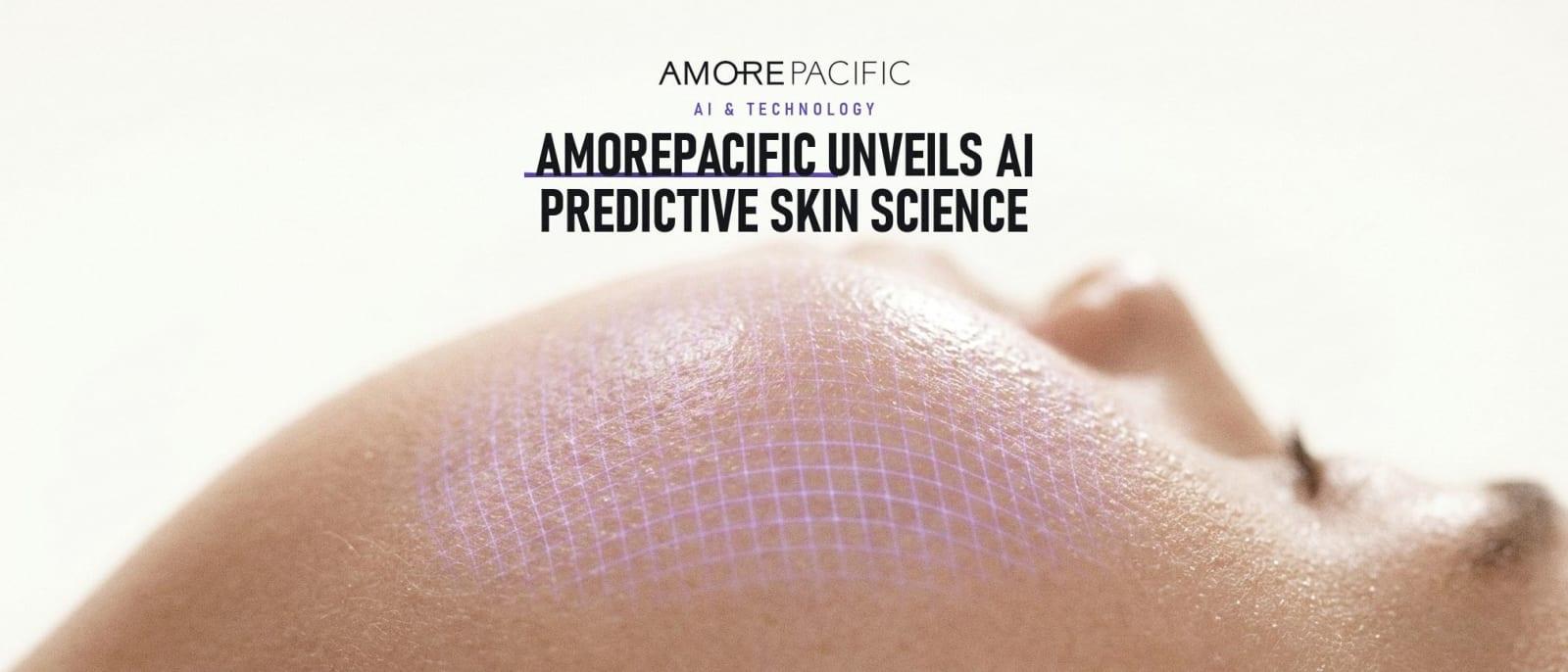
India’s beauty and personal care market is on track to reach $30 billion by 2027, according to estimates by strategy consultancy Redseer, driving domestic technology developers to shift artificial intelligence software from retail screens directly into laboratory workflows. While global platforms such as Perfect Corp and L’Oréal’s ModiFace established early standards in consumer virtual try-on tools, domestic software firms are now targetting back-end formulation R&D and automated ingredient selection.
Calibrating for Regional Physiology
Early augmented reality and computer vision applications were trained predominantly on Western and East Asian skin datasets. In contrast, domestic diagnostic platforms focus on South Asian skin characteristics, evaluating baseline melanin concentration, localised hydration, pore structure, and hyperpigmentation under variable ambient humidity.
By matching visual and biometric data to raw material parameters, these diagnostic systems allow product development teams to adjust active ingredient dosage before bench trials begin. For cost-conscious supply chains, targetted dosing reduces raw material expenditure and limits initial batch failures during product development.
Compressing Formulation Cycles
Beyond retail skin scans, software platforms are connecting digital diagnostic outputs directly to micro-dosing hardware and laboratory automation systems. Integrating skin-scan datasets with formulation databases narrows the range of compatible ingredients automatically, shortening initial bench testing cycles from months to weeks.
At the commercial interface, digital skin analysis functions across three main operational areas:
Product matching: Aligning customer skin profiles directly with active ingredient concentrations prior to purchase.
Return reduction: Minimising e-commerce return rates caused by shade or compatibility mismatches through pre-purchase scanning.
Raw material tracking: Linking aggregate consumer skin data to raw material procurement for manufacturing facilities.
Connecting front-end customer skin profiles with back-end formulation software allows contract manufacturers to adjust batch formulations in response to aggregate skin trends across specific demographic groups.
Compliance and Hardware Hurdles
The commercial expansion of diagnostic systems faces regulatory and structural challenges in the region. Biometric skin scan data collected via digital interfaces falls under evolving Indian data privacy frameworks, requiring clear protocols for local data storage, consent architecture, and enterprise liability for diagnostic accuracy.
A second operational hurdle lies in hardware economics. While pure-play software interfaces scale efficiently through web browsers and mobile applications, hardware-based micro-dispensing systems demand physical maintenance, local assembly, and upfront capital expenditure that smaller brands cannot easily absorb.
The speed of adoption will depend on how rapidly mid-sized cosmetics manufacturers adapt. While multinational groups and digital-native brands have integrated diagnostic application programming interfaces (APIs) into their digital storefronts, legacy manufacturers face higher integration costs when replacing traditional bench testing with automated formulation workflows.