Static skin classification is dead. R&D teams are moving past static questionnaires to dynamic bio-environmental modeling. Today’s personalization engines pair high-resolution computer vision with micro-regional environmental telematics. Computer vision maps sub-clinical erythema, vascular dilation, and transepidermal water loss (TEWL) proxies in seconds. At the same time, live telematics stream local Air Quality Index, PM2.5 concentrations, ambient humidity, and UV exposure metrics. By fusing diagnostic imaging with real-time micro-climate data, predictive AI algorithms can accurately forecast biological aging vectors across India’s extreme environmental zones—from the humid coastlines of Kerala to the dry, polluted winter corridors of Delhi.
Bio-Environmental Actives for Localised Stress
Formulating for these micro-climates requires targeted active selection to neutralize local oxidative and barrier stress:
Ectoin: A natural osmolyte that stops PM2.5-induced protein denaturation and blocks UVA-driven mitochondrial damage, making it essential for heavy metro centers.
Biosaccharide Gum-4: Creates an invisible, non-occlusive polysaccharide shield over the stratum corneum, blocking atmospheric particulate matter from adhering to the skin surface.
Ascorbyl Tetraisopalmitate: A lipid-soluble Vitamin C derivative engineered to halt ozone-induced lipid peroxidation—vital for northern India’s severe winter smog belts.
Modular Chassis Architecture & CDMO Execution
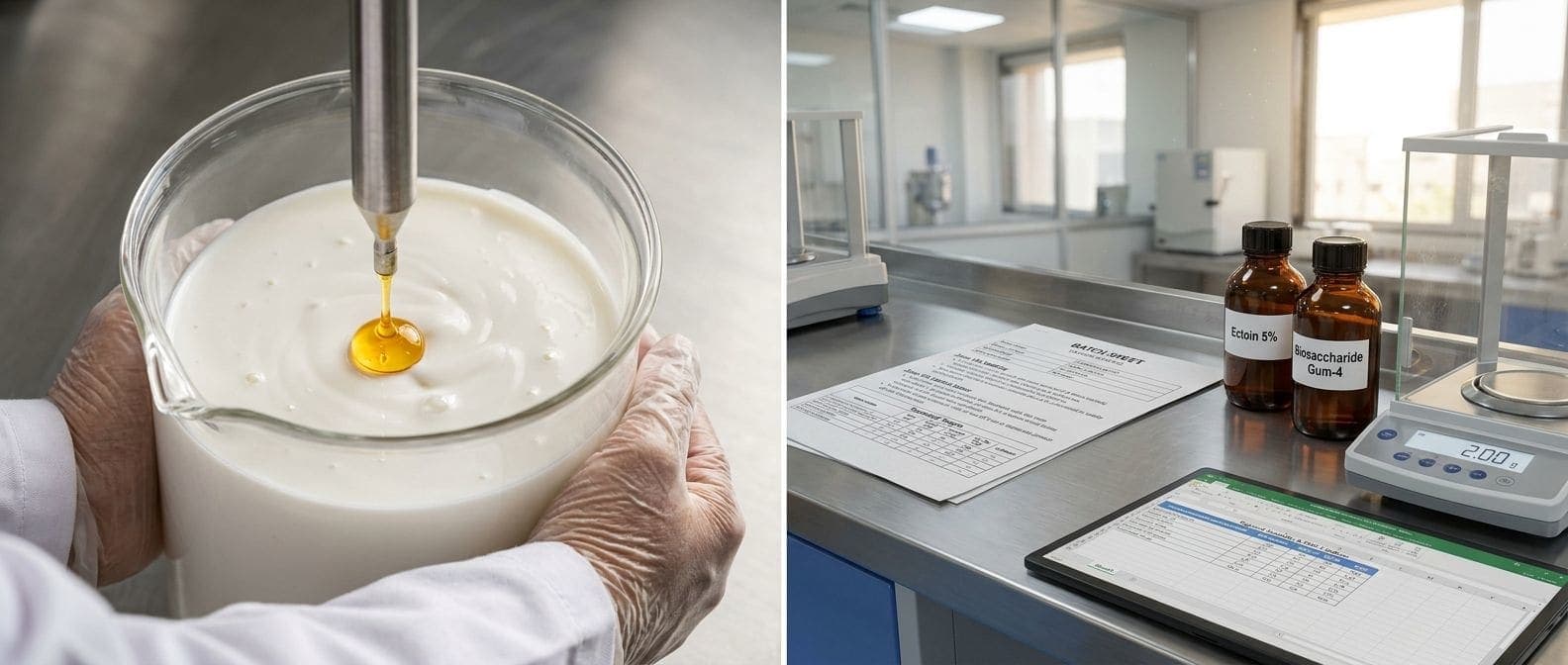
Commercialising micro-regional formulations requires contract manufacturers to adopt a modular chassis architecture. Brands cannot profitably manufacture or stock unique finished SKUs for every pincode. Instead, primary facilities produce stable, broad-spectrum base creams and serums in bulk. Localized fulfillment hubs then perform late-stage active booster dosing right before dispatch.
R&D chemists must run advanced rheological profiling to guarantee that post-blend viscosity, droplet size distribution, and emulsion integrity hold up after booster additions. Base platforms must also pass accelerated stability testing across aggressive micro-climatic stress bands—specifically Zone IVb (hot and humid conditions). Experienced Indian CDMO partners, such as Sadatan Ayurveda Pvt Ltd and Elegant Cosmed Pvt Ltd, provide the pre-validated modular platforms and technical infrastructure required for precise late-stage blending.
Navigating the CDSCO Regulatory Framework
Coupling digital diagnostic software with dynamic topical production introduces distinct compliance challenges under the Central Drugs Standard Control Organisation (CDSCO):
MDR 2017 (SaMD Risk): Algorithms claiming sub-dermal disease diagnosis or therapeutic biomarker mapping risk reclassification as Software as a Medical Device (SaMD) under Medical Devices Rules, 2017. R&D teams must strictly position software output as non-therapeutic cosmetic profiling tools.
Cosmetics Rules, 2020 (Rule 34): Late-stage custom blends demand pre-validated compatibility profiles under Rule 34. All blending operations require strict adherence to IS 15000 / ISO 22716 GMP standards across facilities.
Preservative Efficacy Testing (PET): Formulators must re-validate PET protocols for diluted chassis bases to guarantee robust antimicrobial defense after active boosters are mixed into the base.
Strategic Outlook
Integrating real-time micro-regional telematics with modular manufacturing makes micro-batch regional customization economically viable. It bridges the gap between digital diagnostic precision and physical formulation stability. Personalised skincare is no longer a marketing gimmick; it is an engineering challenge. Beauty brands that align early with technically capable CDMOs will secure a sustainable competitive edge, translating complex regional data into superior, stable products that drive long-term consumer loyalty.