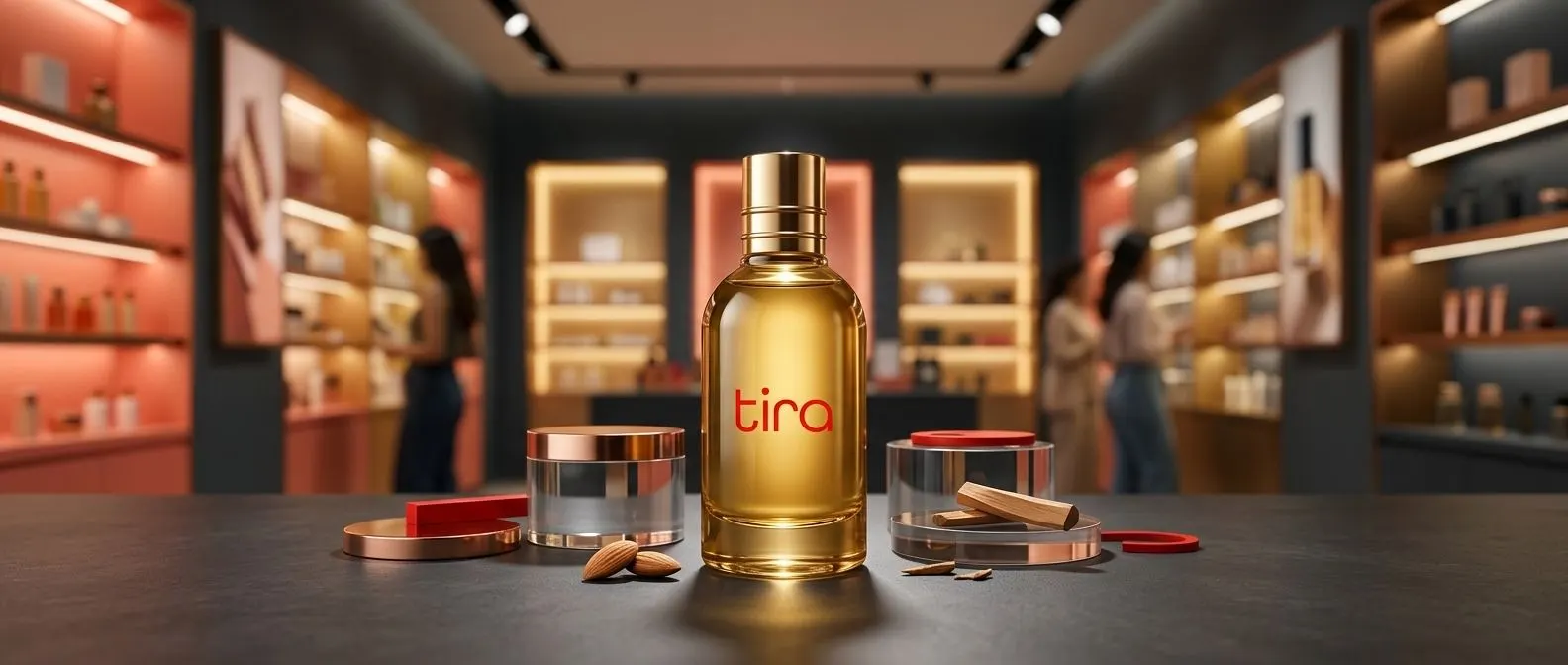
Expanding to 30 Tira counters and 8 standalone KIKO Milano stores shifts the pressure directly onto CDMOs and formulation labs. Moving from pure-play e-commerce to high-density physical retail across Tier-1 and Tier-2 Indian hubs changes how cosmetics must perform. Online, a foundation only needs to look good in a studio lighting setup; on a physical retail counter, that same foundation faces intense 50W display spotlights, fluctuating stockroom temperatures, and instant point-of-sale customer scrutiny.
Engineering Formulations for In-Store Stress
Store spotlights and un-airconditioned stockrooms break fragile emulsions. To prevent oil separation on display racks, R&D teams must update their raw material selection for real-world retail environments.
Unoptimised formulas frequently suffer syneresis when exposed to continuous ambient heat inside glass display cabinets. Formulators fix this by using Triethoxycaprylylsilane-treated iron oxides, which ensure hydrophobic dispersion across silicone and oil phases. This specific surface modification prevents pigment agglomeration, keeps shades true, and stops oil separation even under hot retail spotlights.
Simultaneously, open-counter trial conversions require immediate tactile feedback. Incorporating Polymethylsilsesquioxane and spherical Silica Spheres diffuses harsh overhead LEDs, instantly blurring skin texture without leaving a chalky residue during customer walk-ups. To lock in these benefits, cosmetic chemists build long-wear networks using Dimethicone/Vinyl Dimethicone Crosspolymers. These silicone elastomer gels trap volatile fluids to deliver a velvety, non-tacky finish that proves its non-transfer claim the moment a shopper tests it on their wrist.
Navigating CDSCO Compliance and Open-Tester Hygiene
Scaling physical doors across Tier-1 and Tier-2 cities brings strict regulatory oversight from the Central Drugs Standard Control Organisation (CDSCO) and the Bureau of Indian Standards (BIS).
Safety Mandates: Every SKU dispatched to physical counters must comply with IS 14318 safety parameters and IS 4707 limits on approved colorants and raw materials.
Tester Protocol: Store testers face constant consumer handling. Under CDSCO Rule 34, open-use display units require clear batch tracking and must pass ISO 11930 preservative efficacy testing to block contamination from *Pseudomonas aeruginosa* and *Staphylococcus aureus*.
Import Clearance: Fast-tracked store rollouts for international partners like KIKO Milano demand SKU-level Form COS-2 registration. Supply chain managers must provide quantitative ingredient disclosures and heavy-metal limit verification confirming lead (Pb) remains under 20 ppm and arsenic (As) under 2 ppm.
CDMO Execution Across Tier-2 Supply Chains
Shipping prestige inventory into Tier-2 markets exposes formulations to severe humidity and temperature variations during transit. Contract manufacturers can no longer rely on traditional Oil-in-Water (O/W) bases that break down under thermal stress.
CDMOs must shift toward Water-in-Oil (W/O) and Water-in-Silicone (W/Si) emulsion platforms, which provide inherent structural stability against heat and humidity fluctuations. Before dispatching stock, R&D labs must run 12-week accelerated stability testing at 40°C and 75% Relative Humidity (RH) to validate shelf life across regional microclimates. Finally, contract partners need to offer flexible, low-MOQ production batches so brand owners can maintain high-frequency inventory replenishment without inflating warehouse holding costs.
By aligning emulsion engineering, strict compliance protocols, and agile manufacturing, beauty brands can scale their physical retail footprint without risking product failure at the counter.