What CeraVe's Viral Campaign Teaches Every Beauty Brand
May 2026 produced two of the most instructive case studies in beauty influencer marketing this year. One — CeraVe's "Head Coach" campaign starring Carmelo Anthony — was a masterclass in how to engineer cultural relevance, destigmatise a health concern, and drive measurable social performance simultaneously. The other — Patrick Ta Beauty's Transition Blush controversy — demonstrated that social media visibility can be generated just as powerfully by a crisis as by a campaign, and with far more damaging long-term consequences.
Both cases appear in Traackr's May Top Ten Beauty Brands report, which ranks US beauty brands by Brand Vitality Score (VIT) — a composite metric measuring the visibility, impact, and trust of influencer content mentioning a brand. CeraVe rose 12 positions to fourth place. Patrick Ta jumped six places to tenth. The strategic lessons embedded in those movements, however, diverge sharply.
How CeraVe Engineered a Viral Moment
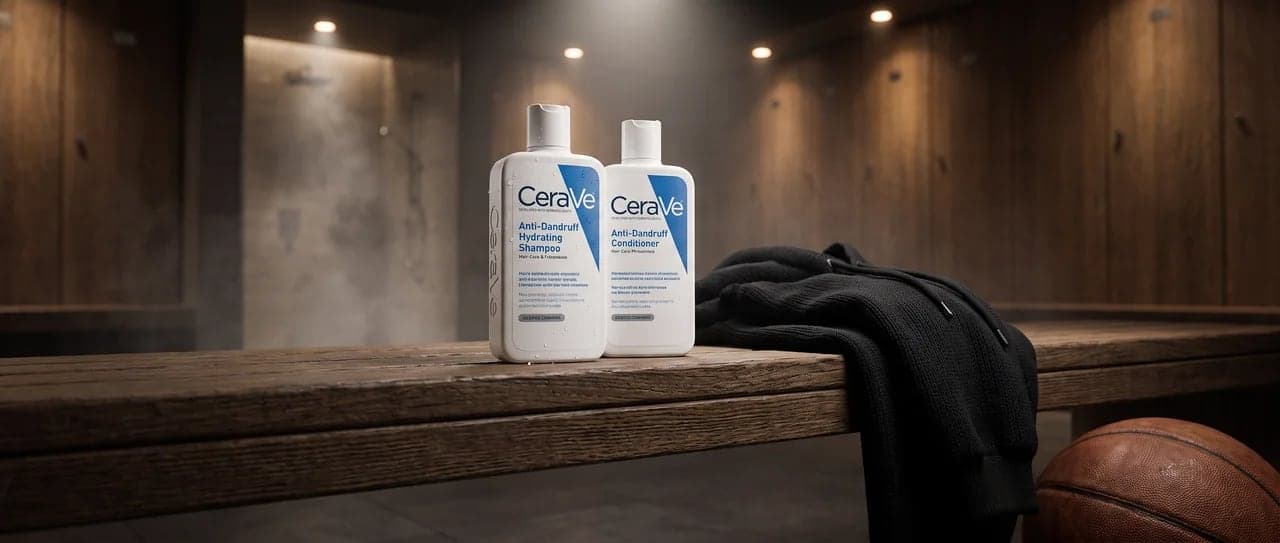
CeraVe's May performance was driven by a campaign that did almost nothing by accident. The brand, owned by L'Oréal and well known for its clinical skincare positioning, expanded into hair care in 2024 with a line including an Anti-Dandruff Hydrating Shampoo and Conditioner. The challenge for that category launch was familiar: dandruff carries stigma, and stigmatised health conditions are difficult to market at scale without triggering avoidance behaviour in the target audience.
The campaign solution was to destigmatise dandruff through culture, not through clinical communication. The vehicle was Carmelo Anthony — 10-time NBA All-Star, and the man whose famous "Hoodie Melo" era in 2017 had become a piece of basketball mythology. The campaign reframed that cultural moment: Anthony, it was revealed, had been wearing hoodies partly to conceal a flaky scalp. A piece of sports nostalgia became an authentic personal health narrative, and a health narrative became a product story.
The Medutainment Architecture
What separated this campaign from conventional celebrity endorsement was its staged social media infrastructure. CeraVe has developed a consistent approach it describes as medutainment — blending medical education with entertainment to drive organic engagement. The Carmelo Anthony campaign deployed this architecture across multiple touchpoints before the product message arrived.
Rapper Fat Joe was spotted courtside wearing a "Hoodie Melo" graphic hoodie, generating confusion and conversation before the campaign was explained. Anthony himself appeared on the street interview series *The People Gallery*, visibly brushing flakes from his shoulder — a moment that circulated independently of any formal campaign announcement. NBA players Isaiah Hartenstein and Jose Alvarado were seen wearing hoodies during tunnel walks, extending the visual motif into an audience already invested in the reference. By the time the brand's formal campaign assets appeared, the cultural context had been seeded organically across multiple social communities.
This sequenced, layered approach — cultural seeding first, brand reveal second — is the structural reason why the campaign drove Traackr VIT performance. The metric rewards visibility, impact, and *trust*. Content that circulates because audiences find it genuinely interesting before they know it is advertising accumulates trust in a way that declared paid posts cannot.
The Patrick Ta Contrast: When Organic Social Works Against You
Patrick Ta Beauty's appearance in the same Traackr report tells the opposite story. The brand's Transition Blush collection — comprising a Liquid Transition Brightening Blush, a Transition Blurring Blush Duo, and an accompanying brush — drove a six-position jump in the rankings, but not through deliberate campaign success.
The collection launched into immediate controversy. The beauty community accused Patrick Ta of co-opting a signature blush layering technique developed by makeup artist Ngozi Esther Edeme, known as Painted by Esther — a gradient blush application method she had spent years refining, particularly for deeper skin tones. The accusation was compounded when Edeme alleged on TikTok that members of Ta's team had previously attempted to book her for a session, raising the possibility that the technique had been observed and then commercialised without attribution or compensation.
Ta's initial response — tagging Edeme on social media and noting the collection had been in development for some time — was read as insufficient and deflective. The discourse escalated for weeks before he issued a formal apology on 16 June 2026, acknowledging that "impact matters more than intent" and recognising that the situation reflected broader systemic issues around the unattributed appropriation of Black creators' contributions to beauty culture.
The Traackr ranking reflected the volume of content the controversy generated — but volume built on reputational damage is not an asset. For brand leaders, the Patrick Ta case is a precise illustration of what happens when creator community relationships are treated as a resource to extract from rather than a relationship to invest in.
What Brand Leaders Must Take Forward
The two campaigns, read together, offer a clear strategic framework.
Seed culture before you sell product
CeraVe's campaign worked because the cultural moment — Hoodie Melo — preceded the product message. Brand teams that brief influencer campaigns as "announce product, then amplify" are missing the structural advantage that comes from letting a cultural reference build its own momentum first. This requires longer lead times, more collaborative creative development, and media partners willing to participate in a narrative rather than just post a code.
Choose creators for cultural credibility, not just reach
Carmelo Anthony was the right choice not because of his follower count but because he had an authentic, pre-existing cultural story that connected directly to the product's core purpose. Reach metrics alone — impressions, follower numbers — do not capture this. Brief your creator selection process to evaluate cultural fit, audience trust, and narrative authenticity alongside scale.
Credit and compensate independent creators proactively
The Patrick Ta controversy is the clearest available case study for why creator attribution must be built into product development processes, not managed reactively under public pressure. If a product, technique, or aesthetic has origins in the independent creator community, the time to formalise that relationship — with credit, compensation, and co-creation — is at the development stage, not after a TikTok allegation.
Measure the right signals on creator campaigns
Traackr's VIT score — measuring visibility, impact, and trust — is a more nuanced instrument than impression counts or EMV (Earned Media Value). For brands building long-term influencer programmes, the "trust" dimension of such metrics is the most strategically important. Trust accrues slowly through consistently credible creator partnerships. It depletes quickly when a campaign feels manufactured or a controversy reveals misaligned values.
The CeraVe campaign and the Patrick Ta controversy represent the two most instructive ends of the 2026 influencer marketing spectrum so far. Both generated social momentum. Only one is building brand equity.