General•5 min read
Monk&Metal Signals Lotus Herbals’ Next Growth Play
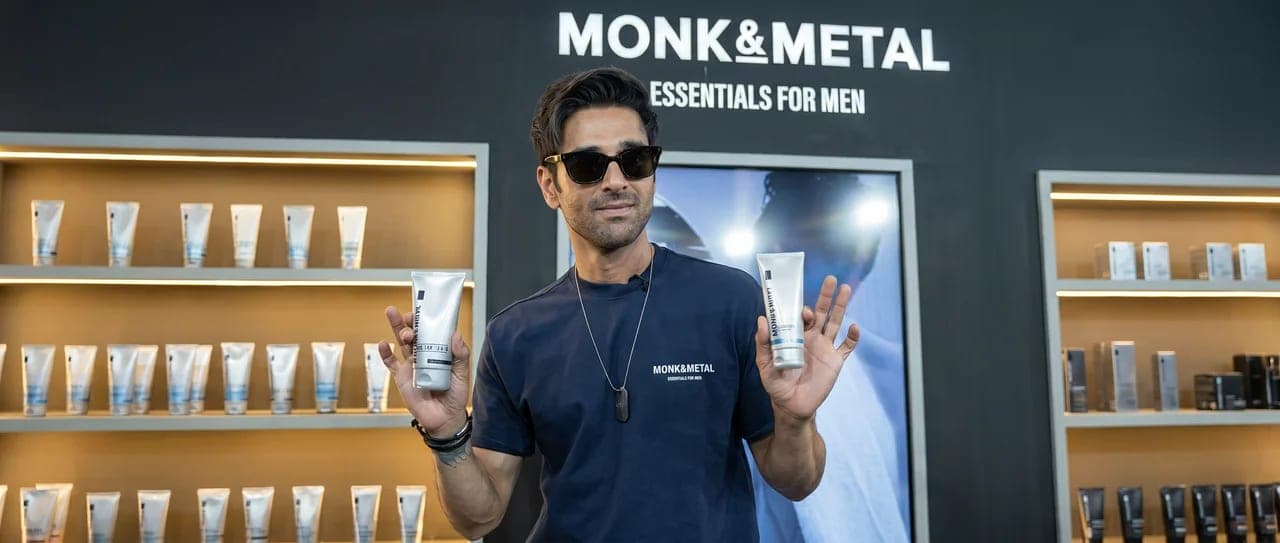
Lotus Herbals has unveiled Monk&Metal, a new men's grooming brand that reflects changing consumer expectations and category opportunities in male personal care.

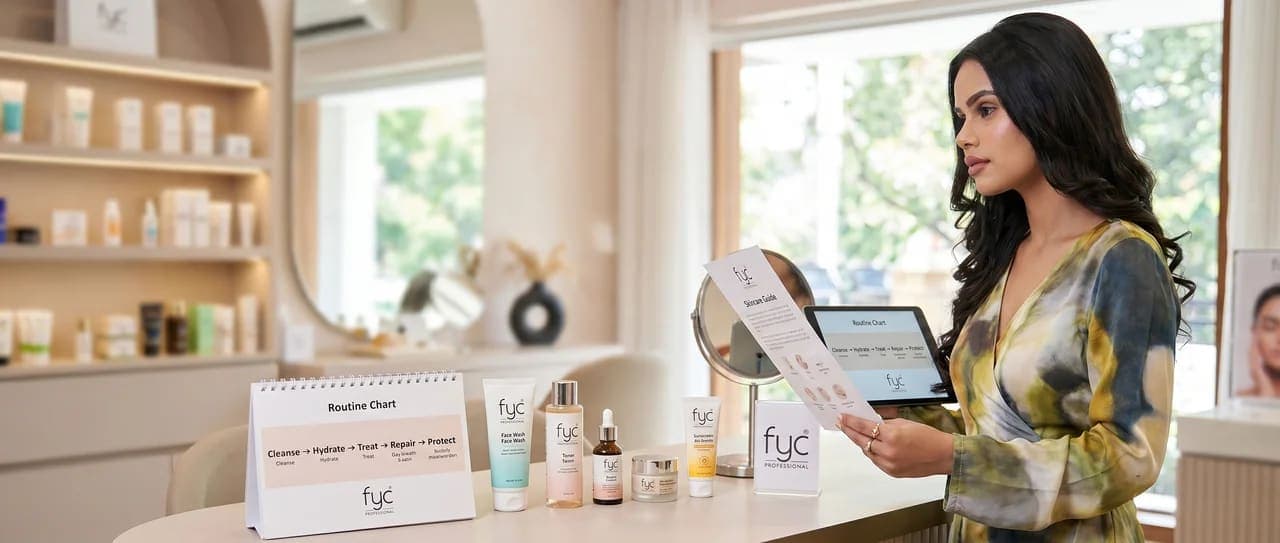
As FYC Professional and Bhumika Bahl spotlight personalised skincare education, the move reflects a broader shift in India's beauty market towards guidance-driven consumer engagement and expert-backed product recommendations.
When Bhumika Bahl recently spotlighted FYC Professional's personal care range, the announcement reflected more than a product endorsement. It highlighted a growing challenge within India's beauty industry: the skincare guidance gap.
As India's beauty and personal care market continues to expand, consumers have access to more products than ever before. However, product availability has not always been matched by consumer understanding.
Many shoppers remain uncertain about ingredient selection, skin concerns, routine building and product compatibility. This disconnect is creating a significant opportunity for brands that position themselves not only as product providers but also as trusted advisors.
For beauty businesses, the emergence of guidance-led skincare could become one of the most important competitive differentiators in the coming years.
The Indian skincare market has evolved rapidly over the past decade.
Consumers are now exposed to thousands of products across:
* Ecommerce marketplaces
* Quick-commerce platforms
* Social commerce channels
* Dermatology clinics
* Beauty retailers
* Influencer-led recommendations
While choice has increased, consumer confusion has increased as well.
Terms such as retinol, niacinamide, ceramides, peptides and microbiome skincare have become mainstream, but understanding of how these ingredients should be used remains limited among large sections of consumers.
Many buyers are assembling routines based on fragmented information from social media rather than structured guidance.
This creates both commercial opportunities and risks for beauty brands.
Historically, beauty marketing focused on aspiration and product benefits.
Today's skincare consumer increasingly expects education alongside promotion.
Brands that explain:
* Ingredient functionality
* Usage protocols
* Skin compatibility
* Expected timelines
* Product interactions
are often achieving stronger engagement and customer retention.
The success of dermatologist-backed brands, skin assessment tools and personalised skincare platforms demonstrates growing demand for educational support.
FYC Professional's positioning around addressing skincare guidance needs aligns with this broader market evolution.
Consumers are increasingly seeking personalised solutions rather than generic recommendations.
This shift is encouraging the growth of:
AI-powered diagnostic tools are becoming more common across skincare platforms.
Virtual and in-person consultations continue to gain popularity.
Consumers actively participate in skincare-focused communities and forums.
Brands are leveraging consumer data to improve recommendation accuracy.
These approaches help reduce decision fatigue while increasing customer confidence.
India's beauty market has become intensely competitive.
Consumers can compare hundreds of products within minutes across multiple digital platforms.
As a result, trust has become one of the most valuable assets a beauty brand can build.
Educational content contributes directly to trust development.
When consumers understand why a product works and how it should be used, they are more likely to develop long-term brand loyalty.
This is particularly important in skincare, where visible results often require consistent usage over extended periods.
Brands that invest in consumer education may benefit from improved retention and reduced dependence on promotional discounting.
Influencers continue to play a significant role in beauty discovery.
However, consumer expectations are shifting from pure endorsement towards informed guidance.
Industry experts, dermatologists, aestheticians and trained skincare professionals are becoming increasingly influential.
Consumers are looking for explanations rather than recommendations alone.
This creates opportunities for collaborations that combine product promotion with educational value.
The involvement of recognised personalities such as Bhumika Bahl reflects the growing importance of credible voices within beauty marketing strategies.
The skincare guidance gap presents multiple opportunities for businesses operating in India's beauty sector.
Content strategies can move beyond product promotion towards consumer education.
Simple diagnostic experiences can improve recommendation accuracy.
Brands can leverage professionals to strengthen credibility.
Consumers often respond positively to clear, actionable guidance.
Helping consumers achieve results can drive repeat purchases and advocacy.
Brands that successfully integrate these capabilities may gain stronger customer relationships than competitors relying solely on product differentiation.
The demand for guidance-driven skincare also affects manufacturers and formulation teams.
Products designed for consumer education often benefit from:
* Clear ingredient stories
* Transparent efficacy claims
* Simplified usage instructions
* Strong supporting data
* Evidence-based positioning
Formulators increasingly need to consider how product science can be communicated effectively to consumers.
The most technically advanced formulation may not succeed if consumers do not understand its purpose or application.
This makes collaboration between R&D, marketing and consumer education teams increasingly important.
The rapid growth of quick commerce introduces another dimension to the guidance challenge.
Consumers purchasing products within minutes often have limited opportunities to research complex skincare routines.
Brands must therefore ensure that product information is easily accessible and understandable at the point of purchase.
Digital shelf content, educational videos and simplified product descriptions are becoming critical assets.
As beauty increasingly becomes an impulse purchase category, education must be integrated directly into the shopping journey.
The broader significance of FYC Professional's focus lies in what it reveals about the future direction of skincare marketing.
The industry's next growth phase may be less about expanding product portfolios and more about improving consumer decision-making.
Consumers are no longer looking solely for products.
They are looking for solutions, confidence and clarity.
Brands that can reduce confusion while delivering effective products may be better positioned to capture long-term loyalty.
As India's skincare market continues to mature, guidance-driven engagement is likely to become a defining characteristic of successful beauty businesses.
For brands, retailers and manufacturers alike, the message is increasingly clear: education is no longer a support function. It is becoming a growth strategy.
Lotus Herbals has unveiled Monk&Metal, a new men's grooming brand that reflects changing consumer expectations and category opportunities in male personal care.
Inc42's seventh D2CX cohort offers a snapshot of India's evolving D2C ecosystem. For beauty and personal care brands, it reveals emerging growth strategies, retail shifts and consumer trends that could define the next wave of industry leaders.