

Biohacking Emerges as India’s Next Wellness Frontier
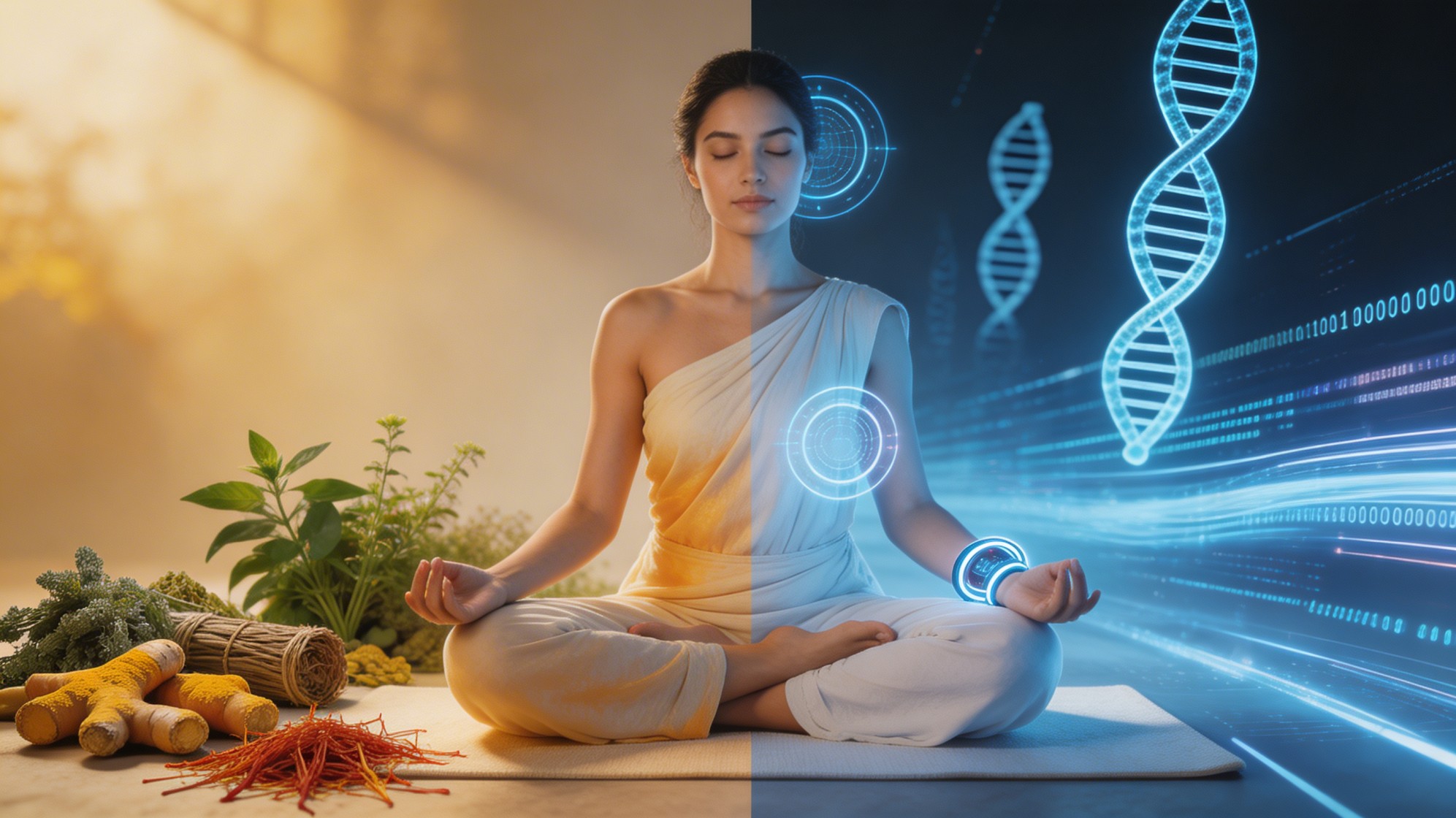
India’s wellness and beauty industry is entering a new phase of innovation as biohacking—the science of self-optimization through biology, technology, and lifestyle interventions—moves from niche communities into mainstream consumer culture.
Once associated with Silicon Valley entrepreneurs experimenting with nootropics and genetic testing, biohacking is now being redefined in India with a uniquely regional flavor. Consumers are blending ancient practices like Ayurveda and yoga with modern tools such as wearable trackers, microbiome-friendly skincare, and DNA-based nutrition plans, creating a hybrid wellness ecosystem that is both futuristic and deeply rooted in tradition.
“Biohacking in India is about balance—merging heritage with science. It’s not just about performance enhancement, but about holistic well-being and longevity,” said a leading wellness strategist.
Biohacking in India is driven by the following trends
- Personalized Beauty & Skincare: Brands are experimenting with microbiome science, longevity-focused formulations, and adaptive skincare routines.
- Tech-Enabled Wellness: Sleep trackers, glucose monitors, and meditation apps are making biohacking accessible to urban consumers.
- Nutrition Innovation: DNA-based diet plans and biomarker-driven supplements are entering the mainstream.
- Hybrid Approaches: Ayurveda-inspired adaptogens and yoga-based breathing techniques are being reframed as biohacks.
Analysts project biohacking to become a multi-billion-dollar opportunity in India’s wellness and beauty market within five years. The sector is expected to grow rapidly as consumers demand science-backed, personalized solutions that go beyond generic wellness products.
For brands, biohacking represents a chance to differentiate through science-led storytelling that builds trust, sustainable innovation that aligns with ethical sourcing, and personalized engagement that deepens consumer loyalty.
For India’s biohacking ecosystem, the urgency lies in regulatory oversight and in how innovators position themselves for sustainable growth. Safety gaps in unvalidated practices threaten consumer trust, making transparent science-backed validation a non-negotiable differentiator for brands. Accessibility is another critical frontier—advanced interventions like genetic testing and personalized biomarker tracking remain prohibitively expensive, but startups that can engineer cost-effective, scalable solutions will unlock mass-market adoption and outpace competitors. Meanwhile, the reliance on sensitive health data demands airtight privacy frameworks; companies that embed robust safeguards into their platforms will gain a decisive edge in consumer confidence and investor credibility.
The opportunity is immense, but the risks are equally stark: unless industry players act now to address these barriers, biohacking in India risks being dismissed as elitist, unsafe, and untrustworthy. The winners will be those who move fast, build responsibly, and democratize innovation before the market matures.
Subscribe to our free newsletter to read the latest news and articles before they are published.











Subscribe To Our Newsletter
Join our mailing list to receive the latest news and updates from The Cosmetics industry
You have Successfully Subscribed!