

Henkel Challenge Spurs Mixed NAD Ruling on Revlon’s ColorSilk
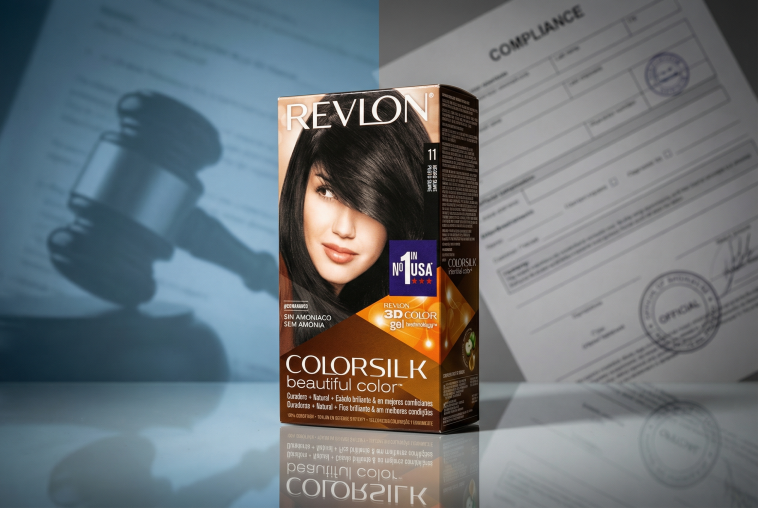
The U.S.-based National Advertising Division (NAD) has issued a mixed ruling in response to a challenge filed by Henkel Corporation concerning advertising claims for Revlon ColorSilk with Bond Repair Complex. The decision underscores intensifying scrutiny around performance-driven beauty claims in global markets.
NAD upheld certain statements, including “with Bond Repair Complex” and “up to 98% less breakage,” determining that the evidence provided was sufficient to support these claims. However, the self-regulatory body recommended discontinuation or modification of other assertions—such as “repairs hair from the inside out” and “up to 94% smoother/silkier”—citing inadequate substantiation.
The ruling highlights the increasing demand for rigorous scientific backing when brands communicate structural repair or transformational efficacy claims. Phrases suggesting internal hair repair or dramatic performance improvements often require robust technical data, including controlled testing methodologies and clearly defined endpoints.
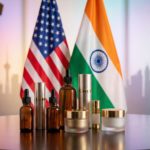
Regulatory Convergence: U.S. and India Perspectives
From an Indian standpoint, the Advertising Standards Council of India (ASCI) has similarly emphasized the importance of truthful, evidence-based claims in beauty and personal care marketing. ASCI guidelines mandate that efficacy claims be supported by credible technical substantiation or independent testing. Additionally, before-and-after visuals must be representative, non-exaggerated, and free from misleading enhancements.
In recent years, ASCI has taken action against overstated haircare and skincare claims, reinforcing that consumer trust hinges on transparency and verifiable proof. The Indian regulatory climate increasingly mirrors global best practices, particularly in categories where functional claims—such as bond repair, anti-hair fall, or structural strengthening—directly influence purchase decisions.
Strategic Implications for Multinational Beauty Brands
The NAD ruling, viewed alongside ASCI’s enforcement approach, signals a broader global convergence toward stricter oversight of beauty advertising. For multinational companies like Revlon and Henkel, harmonizing messaging across jurisdictions is becoming a strategic necessity.
Brands must ensure that:
-
Quantitative claims are supported by statistically valid studies
-
Mechanistic claims (e.g., “repairs from within”) are technically demonstrable
-
Sensory or experiential benefits are clearly distinguished from measurable efficacy
-
Visual representations accurately reflect real-world outcomes
Failure to align with evolving standards not only invites regulatory challenges but also risks reputational damage in increasingly ingredient-literate and digitally informed consumer markets.
A Shift Toward Responsible Beauty Marketing
The mixed NAD verdict reinforces a critical industry shift: marketing narratives must be built on defensible science. As regulatory and self-regulatory bodies tighten oversight globally, claim development processes require early collaboration between R&D, regulatory, and marketing teams.
For the beauty industry, this development serves as a reminder that innovation alone is not sufficient—how innovation is communicated is equally consequential. In an era where transparency defines brand equity, substantiated, responsible advertising is no longer optional; it is foundational to sustained consumer trust.
Subscribe to our free newsletter to read the latest news and articles before they are published.







Subscribe To Our Newsletter
Join our mailing list to receive the latest news and updates from The Cosmetics industry
You have Successfully Subscribed!