

India Cracks Down on Misleading Influencer Ads in Beauty Industry
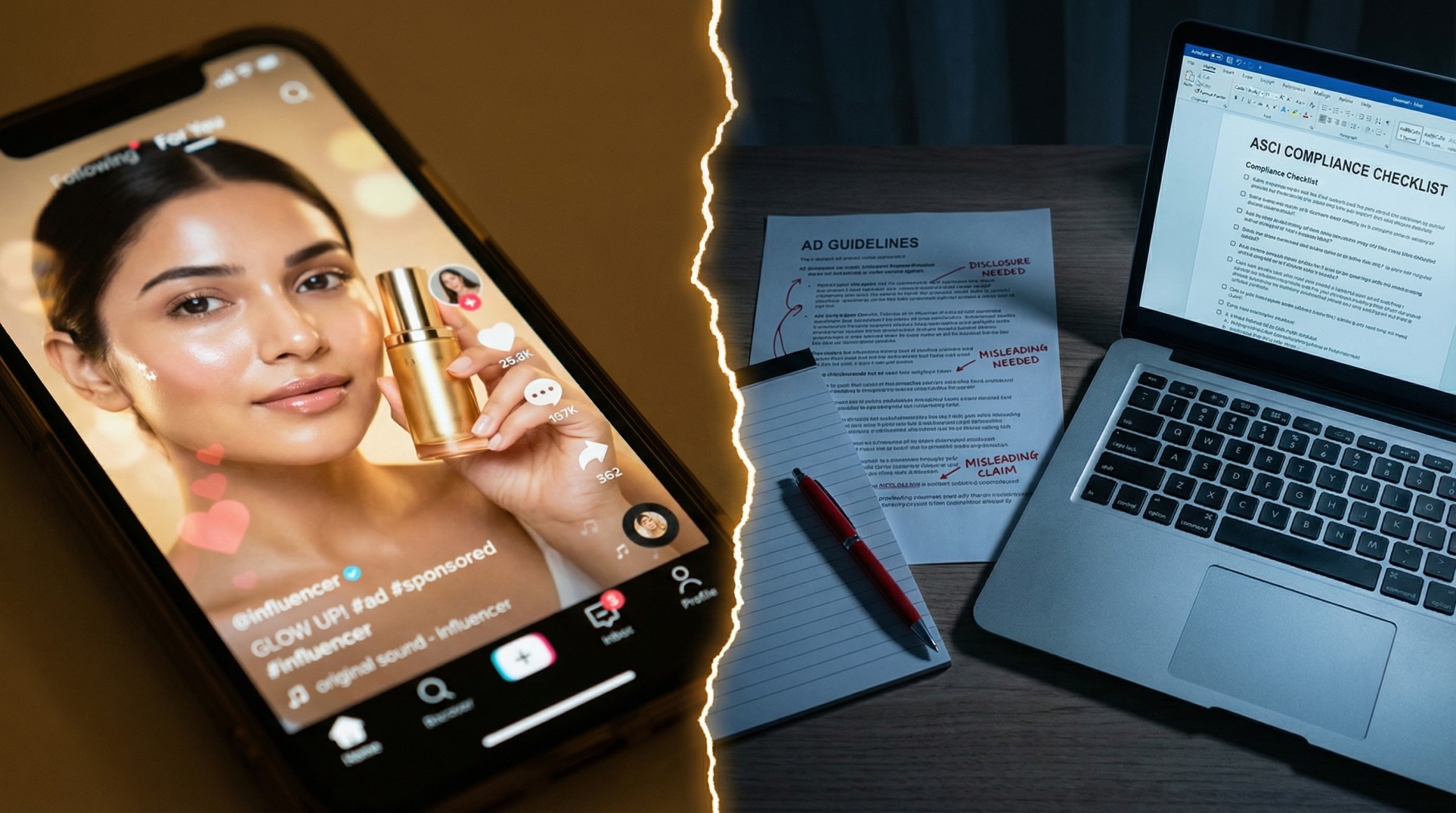
India’s beauty industry is entering a new regulatory era. Authorities are tightening control over influencer-led advertising — particularly where claims lack transparency or scientific backing — signaling a broader shift toward accountability in digital marketing.
Why This Crackdown Matters
Influencer marketing has become indispensable for beauty brands, but it has also blurred the line between personal opinion and paid endorsement. Consumers routinely struggle to identify sponsored content, prompting regulators to step in.
Bodies like the Advertising Standards Council of India (ASCI) have long issued influencer guidelines, but enforcement is now intensifying. Brands and creators are expected to clearly disclose paid partnerships, substantiate product claims with evidence, and avoid exaggerated or unverifiable statements. Non-compliance risks both reputational damage and regulatory action.
What It Means for Brands and Creators
For beauty brands, influencer marketing can no longer rely on hype alone. Partnerships must be carefully vetted, messaging aligned with regulatory standards, and claims backed by data. While this may increase compliance costs in the short term, it builds the long-term consumer trust that drives sustainable growth.
Creators face parallel pressures. Balancing authenticity with responsibility is now a baseline expectation, not a differentiator. Those who embrace transparent disclosures and accurate messaging will emerge as credible voices — and more valuable partners for brands navigating this stricter landscape.
A Global Shift with Local Stakes
India’s crackdown is part of a broader international movement. Markets across the US and Europe are tightening influencer advertising rules, making cross-regional compliance a priority for multinational beauty brands.
The direction is clear: trust and transparency are becoming the new competitive advantage. Brands and creators that adapt early will define the future of digital beauty marketing. Those that don’t risk losing both credibility and consumer loyalty.
Subscribe to our free newsletter to read the latest news and articles before they are published.











Subscribe To Our Newsletter
Join our mailing list to receive the latest news and updates from The Cosmetics industry
You have Successfully Subscribed!