

New Research Redefines Hydroquinone’s Role in Skin Disorders
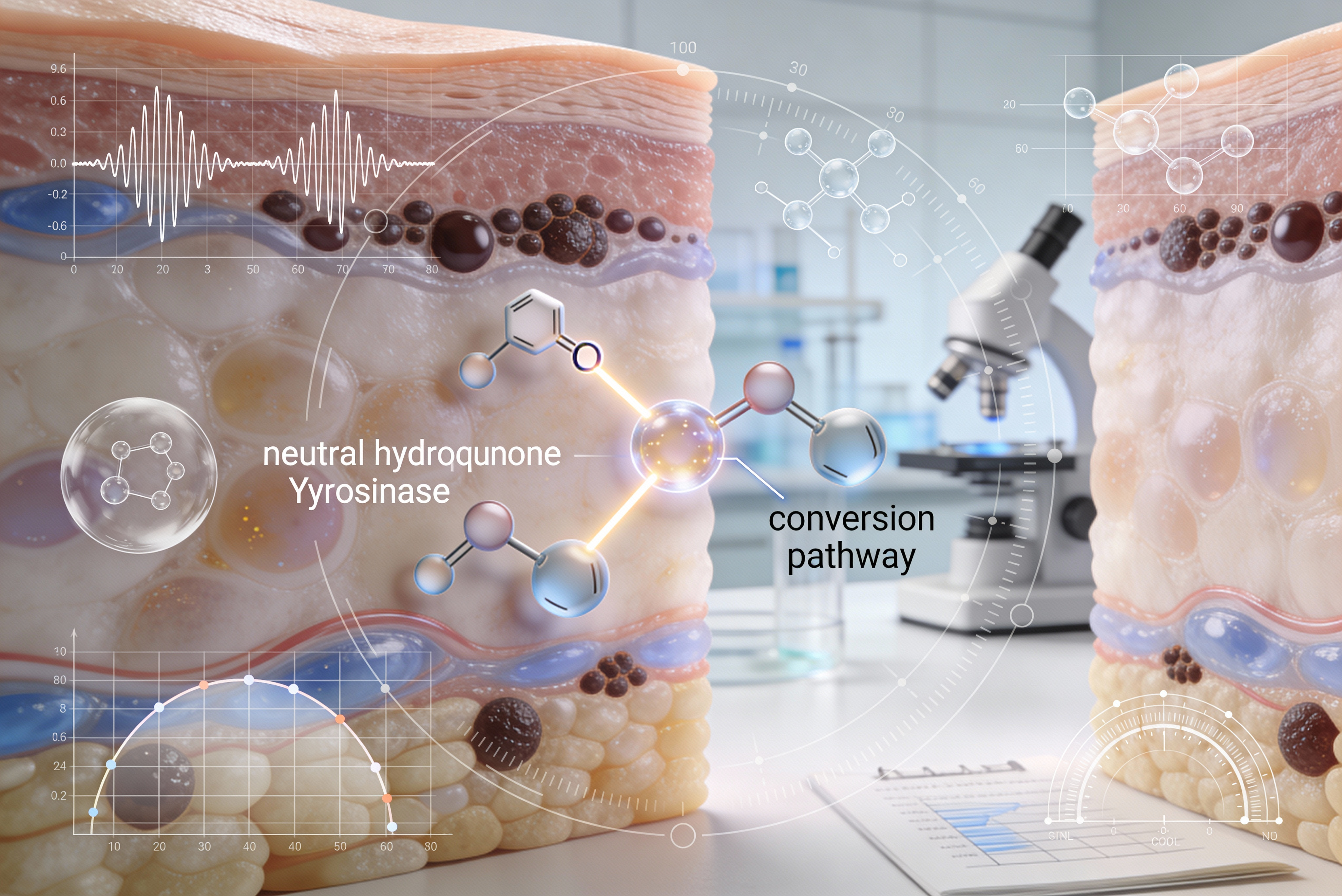
Hydroquinone has long been a cornerstone in dermatology, celebrated for its skin-lightening properties and widely prescribed for hyperpigmentation. Yet, its reputation has been shadowed by concerns over exogenous ochronosis—a rare but permanent pigmentation disorder. Now, research published in the British Journal of Dermatology offers fresh clarity, reshaping how the industry views this controversial ingredient.
The new studies reveal that ochronosis is not triggered by the previously suspected inhibition of homogentisate dioxygenase (HGD). Instead, scientists have identified tyrosinase-catalyzed metabolism of hydroquinone as the culprit. This discovery overturns decades of assumptions and underscores the urgent need for genuine human tyrosinase inhibitors in cosmetic science. By pinpointing tyrosinase’s role, researchers have opened the door to safer, more targeted approaches for treating pigmentation disorders.
Hydroquinone’s journey has been turbulent. Once widely available in over-the-counter formulations, it has faced bans across the EU, Japan, more recently the USA and many more countries. Despite regulatory restrictions, dermatologists continue to explore its potential under controlled medical supervision. This latest research reframes the conversation: hydroquinone itself may not be inherently unsafe, but its metabolic pathway demands closer scrutiny.
For formulators, the implications are profound. The findings highlight the importance of developing next-generation depigmenting agents that bypass tyrosinase-driven risks while delivering efficacy. For patients, it offers reassurance that science is actively working to minimize long-term complications.
As the beauty and dermatology industries push toward innovation, this study serves as a reminder: true progress lies not in abandoning powerful molecules, but in understanding them more deeply. Hydroquinone’s story is far from over—it is evolving, and with it, the future of pigmen Regulations
Subscribe to our free newsletter to read the latest news and articles before they are published.












Subscribe To Our Newsletter
Join our mailing list to receive the latest news and updates from The Cosmetics industry
You have Successfully Subscribed!