

Nigeria imposes a six-month ban on the export of raw shea nuts
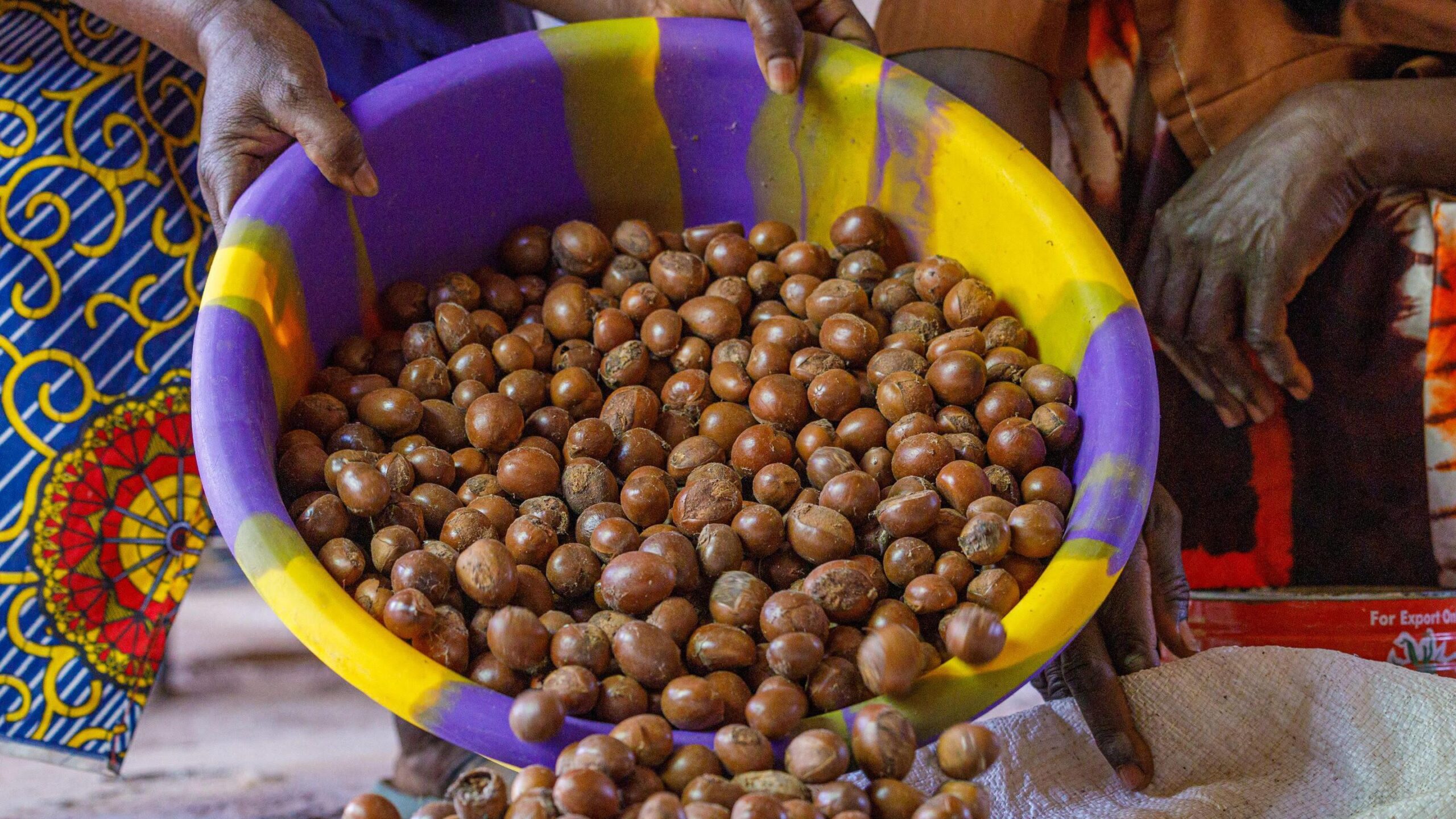
Nigerian President Bola Ahmed Tinubu approved a temporary ban on the export of raw shea nuts. The decision, described as a “pro-value addition policy”, is designed to transform Nigeria from a supplier of raw materials into a global hub for refined shea butter, oil, and derivatives. Vice President Kashim Shettima emphasized that the move is not anti-trade but rather a strategy to secure raw materials for domestic factories, create jobs, and increase income for rural communities.
Nigeria accounts for over 40% of global shea nut production, most of it harvested by women in rural areas. Despite this dominance, the country retains only about 1% of the global value of the shea industry, as most nuts are exported raw. Shea butter is a multi-billion-dollar global ingredient, widely used in cosmetics, food, and pharmaceuticals.
The ban is expected to: encourage local processing, enabling Nigeria to export higher-value products like refined shea butter and oils. ,empower rural women, who form the backbone of shea harvesting, by creating more local jobs and income opportunities and strengthen Nigeria’s trade footprint, positioning the country as a supplier of finished goods rather than raw commodities.
However, the move has sparked concern among harvesters and exporters, who fear short-term losses. Many rely on selling raw nuts to middlemen, and the ban could disrupt their immediate livelihoods.
Subscribe to our free newsletter to read the latest news and articles before they are published.














Subscribe To Our Newsletter
Join our mailing list to receive the latest news and updates from The Cosmetics industry
You have Successfully Subscribed!