

US FDA proposes new Sunscreen ingredient use
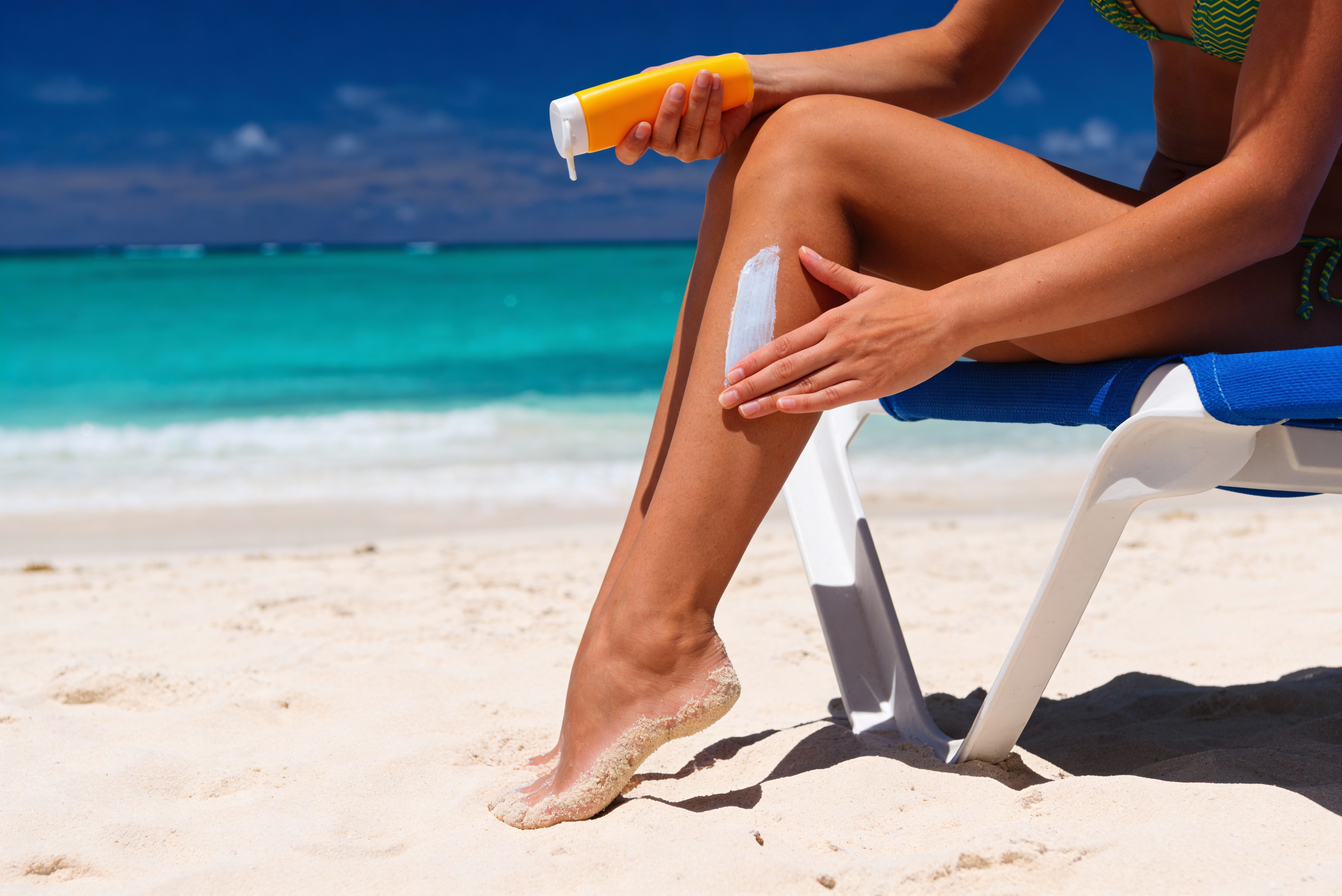
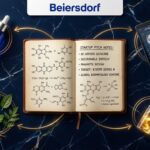
On December 11, 2025, the FDA announced its proposal to classify bemotrizinol as a sunscreen active ingredient. This UV filter, already widely used in Europe, Australia, and Asia, offers broad-spectrum protection against both UVA and UVB rays. The FDA’s review found that bemotrizinol:
– Provides stable, long-lasting sun protection.
– Has low absorption through the skin, minimizing systemic exposure.
– Rarely causes skin irritation, making it suitable even for children six months and older.
If finalized, bemotrizinol will be recognized as “generally safe and effective” (GRASE) for use in U.S. sunscreens.
For decades, U.S. consumers have had fewer sunscreen options compared to other regions, as the FDA has been slow to approve newer UV filters. Bemotrizinol’s addition would:
– Close the gap between U.S. and international sunscreen standards.
– Offer better protection against aging (UVA) and burning (UVB) rays.
– Potentially make advanced sunscreens available by next summer.
– Global Alignment: This proposal aligns U.S. regulations with international markets, where bemotrizinol has been a staple for years.
– Consumer Benefit: Americans could finally access sunscreens that combine efficacy, safety, and cosmetic elegance—products already popular abroad.
– Market Expansion: Brands will be able to innovate with formulations that meet consumer demand for broad-spectrum, gentle, and long-lasting protection.
Dermatologists emphasize that broad-spectrum filters like bemotrizinol are critical. UVA rays contribute to skin aging and cancer risk, while UVB rays cause burns and DNA damage. By approving bemotrizinol, the FDA is addressing a long-standing gap in U.S. sun care.
Subscribe to our free newsletter to read the latest news and articles before they are published.









Subscribe To Our Newsletter
Join our mailing list to receive the latest news and updates from The Cosmetics industry
You have Successfully Subscribed!